Global temperatures are set to breach the critical 1.5°C warming limit, the United Nations confirmed, urging world leaders to act with urgency.
According to the UN Environment Programme’s (UNEP) newly released Limiting Overshoot report, surpassing the 1.5°C threshold set under the Paris Agreement is now “practically unavoidable.”
“Ten years ago in Paris, leaders pledged to limit temperature rise to 1.5 degrees Celsius, the threshold scientists say is critical to avoiding the worst climate devastation,” said UN Secretary-General Antonio Guterres in a video message. “The latest report from the UN Environment Programme delivers a stark warning: The world is failing to keep that promise.”
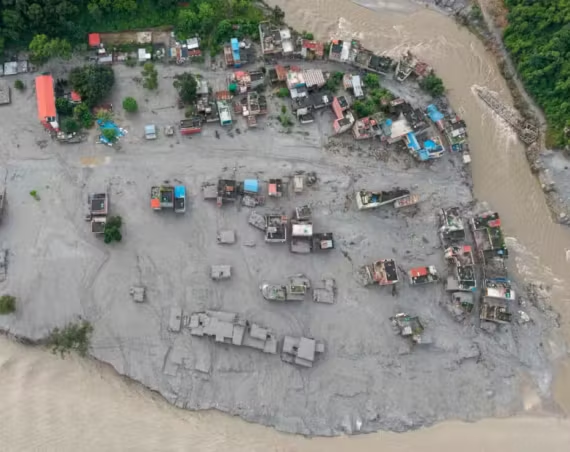
He added, “We are set to breach the 1.5-degree limit within the next few years. This summer’s scorching heat, raging wildfires and deadly floods are a warning of what lies ahead.”
Despite this, Guterres said the breach should not be seen as a total defeat, noting that global temperatures could still be brought back below 1.5°C by the end of the century.
Taking action
The report said climate models show global warming could temporarily peak at 1.8°C above pre-industrial levels before declining, although most current policy scenarios project peaks well above 2.0°C.
Every fraction of a degree beyond the 1.5°C threshold significantly raises the risk of irreversible environmental changes, the report warned.
UNEP Executive Director Inger Andersen said there are no favorable outcomes if temperatures remain above the limit.
“Across the globe, extreme heatwaves are already proving that climate impacts will strike faster, hit harder, and last longer, costing more lives and causing deeper disruption,” she said.
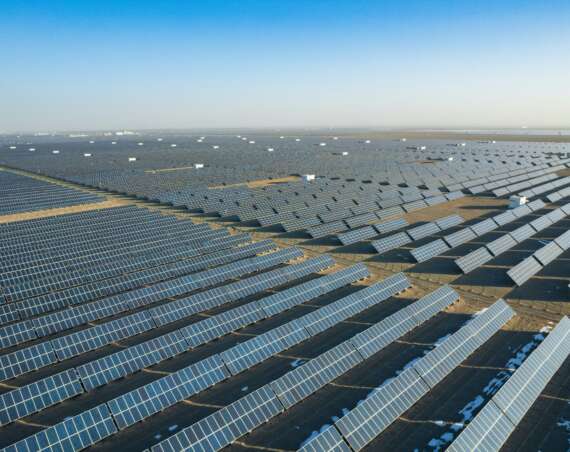
To bring temperatures back below 1.5°C, the report calls for deep cuts in greenhouse gas emissions, including carbon dioxide and methane, alongside a rapid phaseout of fossil fuels and a shift to renewable energy.
“It also means governments must over-deliver on national climate plans, net zero commitments and beyond, and developed countries must triple adaptation finance and ensure it reaches those most at risk,” the UN said.
However, the UN warned that even if temperatures are reduced later this century, the period of “overshoot” will still cause lasting damage.
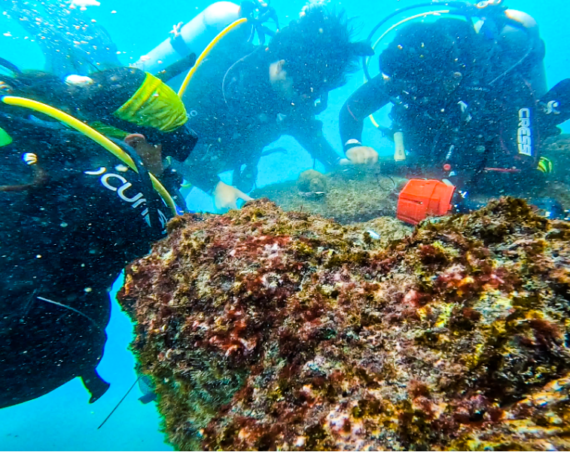
Vulnerable regions—particularly small island states and coastal cities—face irreversible ecosystem loss, economic damage, and possible community displacement.
UN leaders stressed that climate finance and multilateral cooperation will be critical, with countries most responsible for historical emissions expected to take the lead in funding and action.
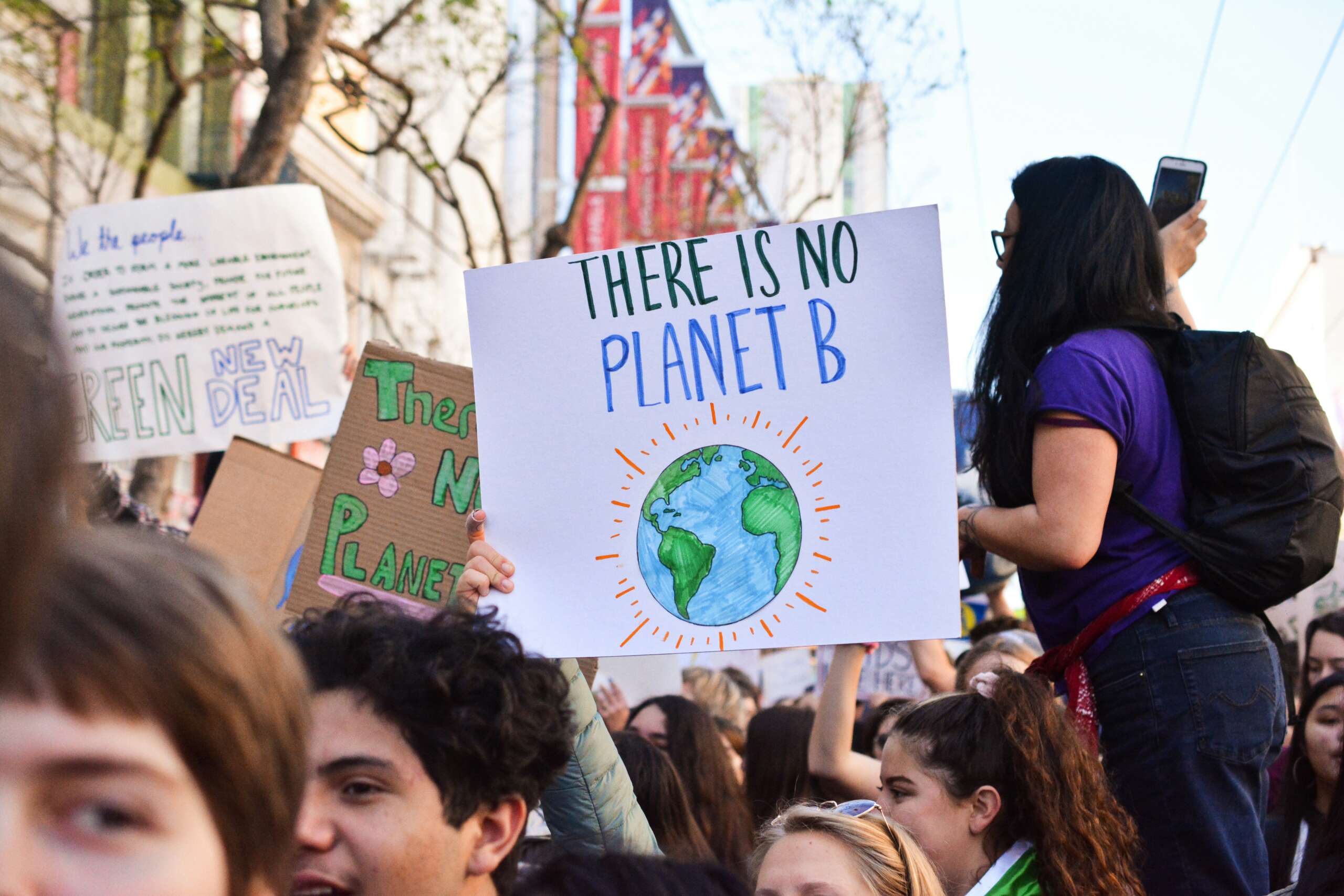
“We must make the overshoot above 1.5 degrees as small and short as possible,” Guterres said. “That demands an overshoot of ambition.”
He added, “The science is clear. The solutions are at hand. And the world has never been better equipped to deploy them. Now is the time to raise ambition and accelerate action. The fight for 1.5 degrees is the fight for humanity.”