While many countries grapple with overflowing landfills and mounting waste, Sweden has found a way to turn garbage into a valuable resource—energy.
An analysis by non-government organization Frost & Sullivan Institute, published in July 2026, explains how Sweden’s circular economy model has transformed waste management from an environmental burden into an economic and energy asset.
Through its waste-to-energy system, less than 1% of Sweden’s household waste ends up in landfills—a stark contrast to many developed nations where more than 30% of waste is buried.
“Unlike the traditional linear model of ‘take, make, dispose,’ a circular economy emphasizes repair, reuse, recycling, and innovation in production and consumption. Sweden has made this approach the cornerstone of its national environmental and economic strategy, with an ambitious goal to become one of the first fossil-free welfare nations by 2045,” the report said.
The analysis highlighted that Sweden employs a dual-track recovery system to convert waste into energy.
“By burning trash, 52% is converted into energy, and the remaining 47% gets recycled,” it added.
SWEDEN IMPORTS TRASH TO MEET ENERGY DEMAND
Sweden’s high-tech waste-to-energy plants supply district heating to over one million households and electricity to around 250,000 homes.
However, due to efficient waste segregation and recycling among households, domestic waste supply is insufficient to meet energy demand.
To address this, Sweden imports more than 1.3 million tons of waste annually from neighboring countries, including the United Kingdom, Norway, and Ireland.
“This imported waste is burned in high-tech incinerators, which capture emissions and generate electricity and heat for Swedish homes. Far from being a negative reflection, this phenomenon shows just how successful and advanced Sweden’s waste infrastructure is in transforming trash into energy while maintaining environmental integrity,” the analysis read.
HOW SWEDEN BUILT ITS WASTE-TO-ENERGY SYSTEM
Sweden’s success in solid waste management did not happen overnight.
The report noted that a 2005 policy banning organic and combustible waste from landfills pushed municipalities to invest heavily in infrastructure and incineration technology.
The government also introduced regulations holding manufacturers legally and financially responsible for collecting and processing packaging, electronics, and batteries.
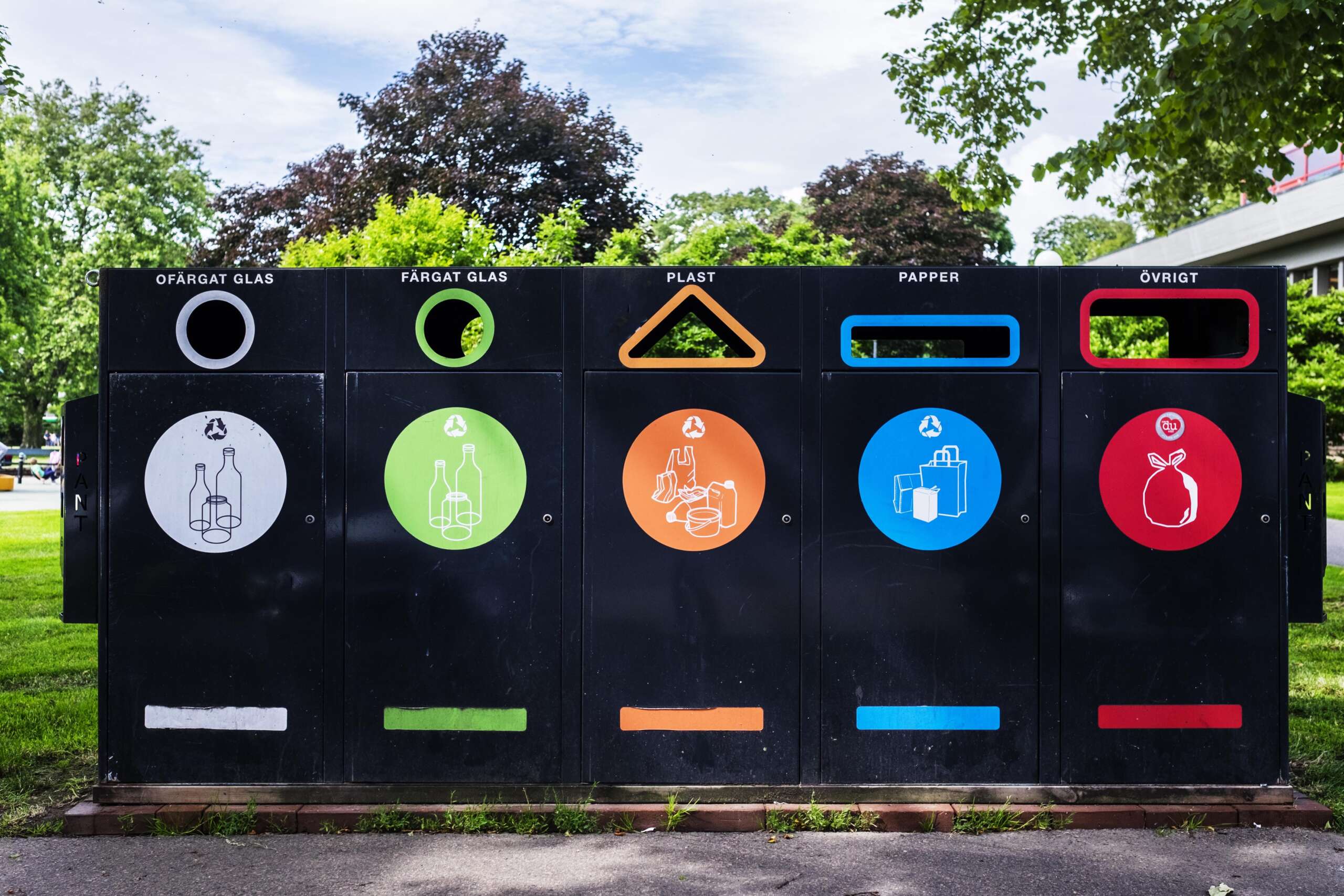
Recycling drop-off stations are located within 300 meters of most residential areas, making waste segregation accessible and convenient.
Authorities also launched public campaigns promoting a culture of repair and reuse over disposability.
Beyond energy generation, the waste-to-energy system has created green jobs in recycling and repair industries.
By diverting organic waste from landfills, Sweden has significantly reduced methane emissions—a greenhouse gas more than 28 times more potent than carbon dioxide.
As global municipal waste is projected to reach 2.2 billion tons annually, the Frost & Sullivan Institute said Sweden’s model offers a practical framework for other countries.
These include investing in waste-to-energy facilities, strengthening public education, aligning policies, and encouraging innovation by supporting startups and companies that develop sustainable products and services to reduce landfill waste. — Photo from Smart City Sweden