A study has found that unsafe solid waste disposal increases disease risk and chemical exposure, particularly among vulnerable communities and frontline workers.
Rapid population growth has pushed global municipal solid waste generation beyond 2 billion tons annually, with the health impacts of improper disposal reaching critical levels.
The study, published by InTechOpen, presents a systematic review of the severe physical, environmental, and epidemiological effects stemming from inadequate waste management systems.
“Results have revealed that poor solid waste management comprising of waste generated by human beings and animal activity, result in the following: a spread of infections and diseases through attracting rodents and other creatures, pollution from chemicals released through landfills and greenhouse gasses, plastic waste and respiratory diseases,” the study said.
The research warns that without science-based waste management strategies and sustained public education, uncollected garbage will continue to drive disease transmission and environmental contamination worldwide.
PILES OF TRASH: BREEDING GROUNDS FOR INFECTIOUS DISEASES
The study further found that when waste collection systems fail or trash accumulates in streets and open dumpsites, it creates ideal conditions for disease-carrying pests to thrive.
The review highlights the followingseveral illnesses linked to poor waste management:
• Uncollected garbage that clogs drainage systems can lead to stagnant water and localized flooding, increasing the risk of outbreaks of diseases such as malaria, dengue, and waterborne infections like cholera.
• Unattended roadside waste also attracts rodents, mosquitoes, and cockroaches. Rats, in particular, act as major carriers of dangerous pathogens and increase the risk of food contamination.
• The study added that the natural decomposition of organic waste creates microenvironments where microbial pathogens can survive and multiply, heightening infection risks through direct human contact.
It also emphasized that sanitation workers face the highest occupational risks.
Direct exposure to hazardous materials, sharp medical waste, and toxic fumes from open burning leaves frontline workers vulnerable to blood infections, skin diseases, respiratory illnesses, and serious physical injuries.
Given these findings, the researchers recommended a multi-stage strategy to address health risks associated with poor waste disposal.
The study said it is essential to segregate waste at the household and industrial levels, implement standardized collection systems to prevent open exposure, and prioritize material recovery, composting, and regulated disposal instead of open dumping.
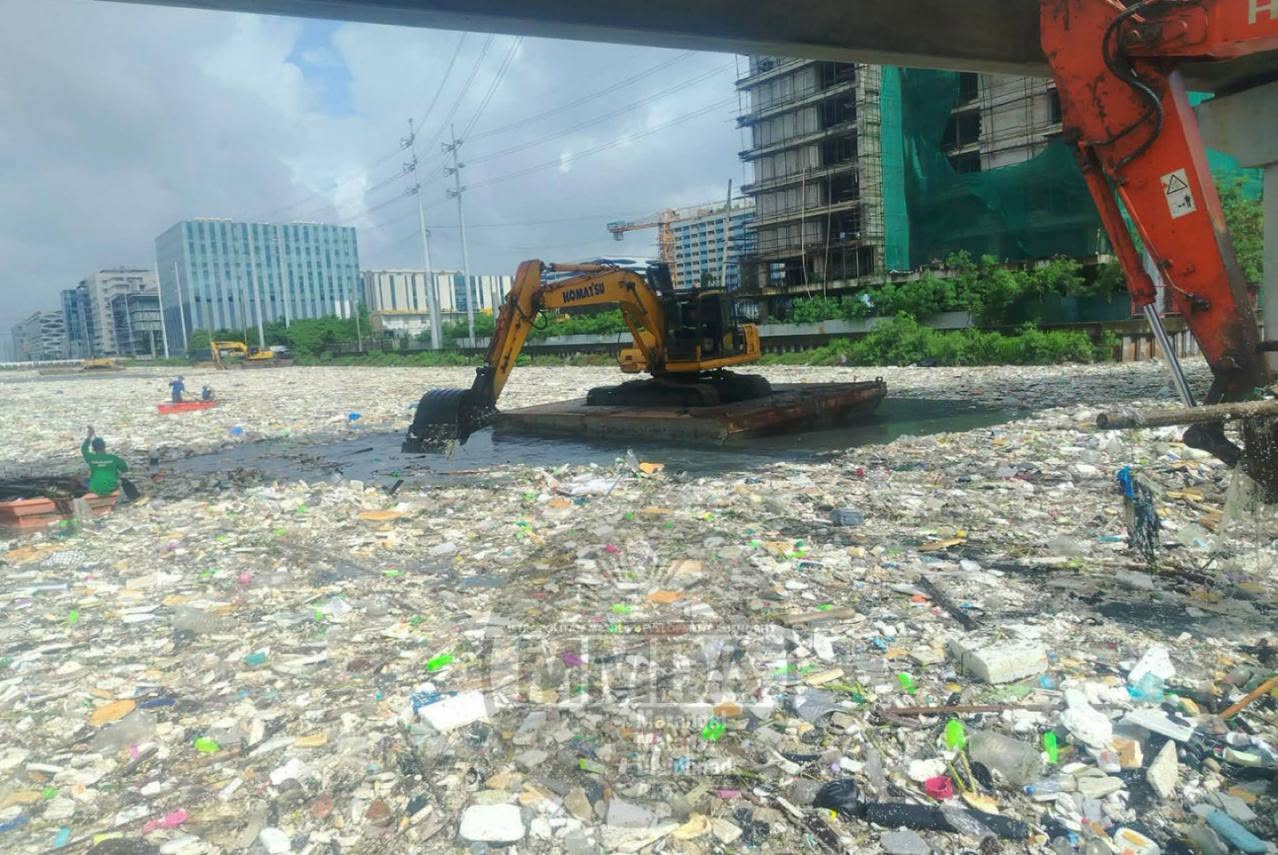
“Global societies should be educated on implementing appropriate strategies towards good solid waste management,” the researcher said. — Photo from MMDA