A new study suggests that while artificial intelligence can boost homework performance, it may undermine students’ exam results—at a significant cost.
The working paper, titled “The Generative AI Learning Penalty: Evidence from Chinese Secondary Education,” tracked 26,811 students in Grades 7 to 12 over a 30-month period.
Researchers David Strömberg, Victor Lei, and Yanhui Wu analyzed student performance across nine subjects as generative AI tools became increasingly adopted.
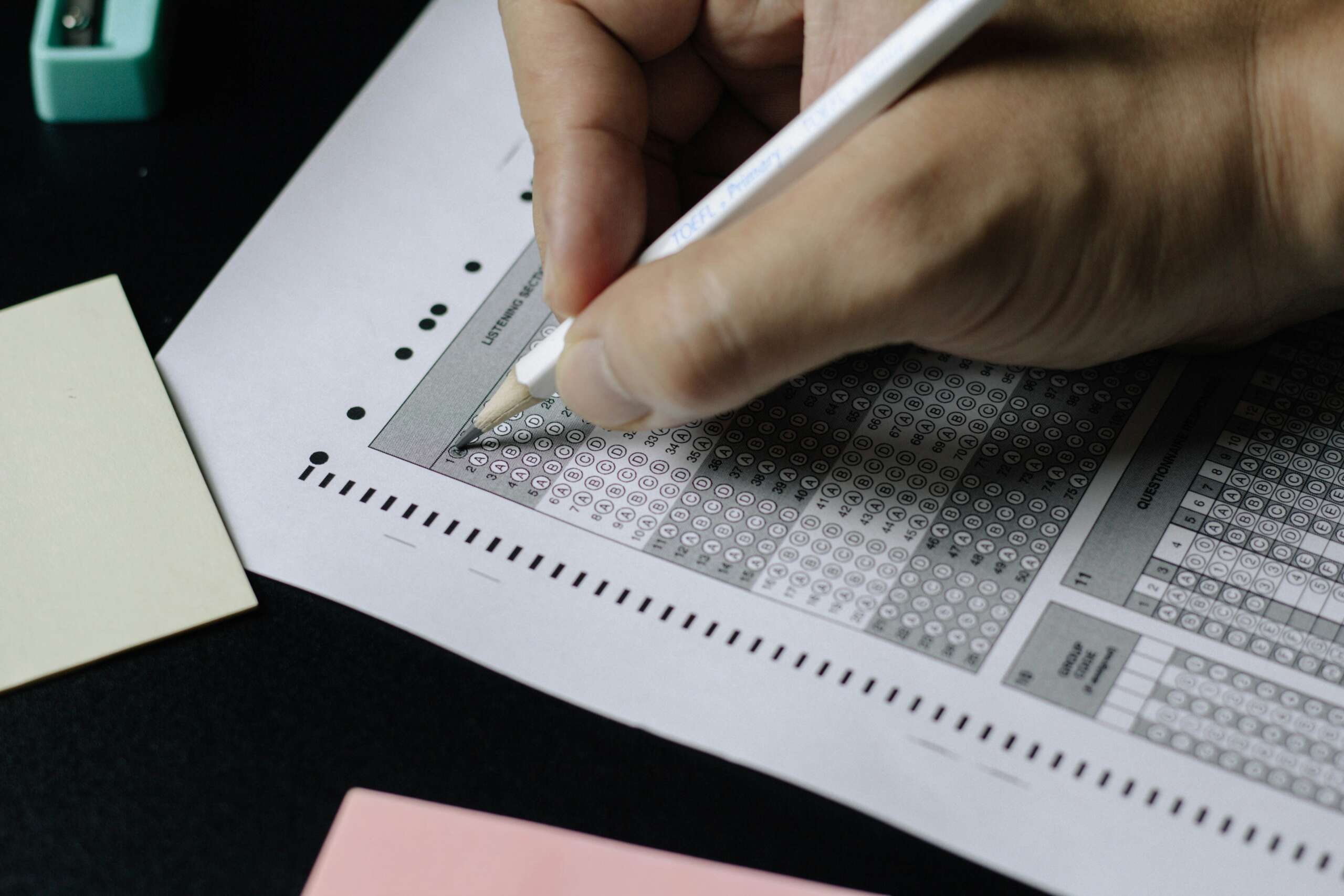
The study found that while AI assistance improved homework scores and reduced completion time, it negatively affected performance in independent, closed-book exams.
According to the findings, the use of generative AI led to an immediate 18% increase in homework scores and a 30% reduction in time spent completing assignments.
However, when AI assistance was removed during exams, students’ performance declined significantly. Within six months of adopting AI, closed-book exam scores fell by 20%. Scores on major standardized tests also dropped by 18% to 24%, with the full impact taking up to two years to materialize.
The researchers also identified key patterns across subjects and demographics. Social sciences recorded the steepest declines in exam performance, followed by STEM subjects and languages.
The learning penalty was most pronounced among younger students, previously high-achieving learners, and male students.
With generative AI becoming increasingly common in classrooms, the researchers said education systems may need to adapt. Rather than banning AI, they suggested redesigning assignments to discourage overreliance on technology and promote active problem-solving.