For decades, a destructive practice haunted Philippine courtrooms and police precincts: cases were filed first, and evidence was gathered later, a pattern that allowed the powerful to harass the powerless, pile up cases that would never succeed, and turn the justice system into a tool of intimidation rather than a guarantor of rights.
That practice, Justice Secretary Fredderick Vida said Saturday, is now over.
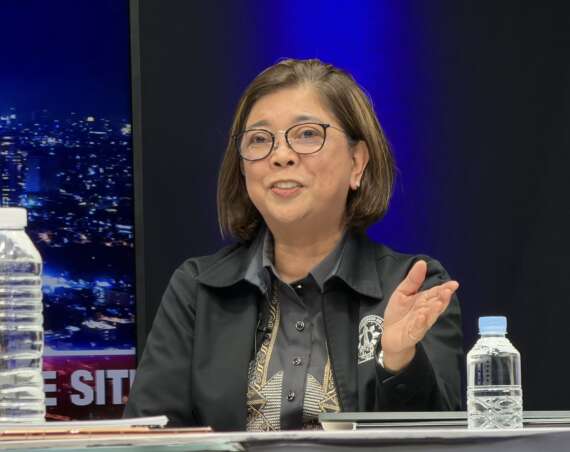
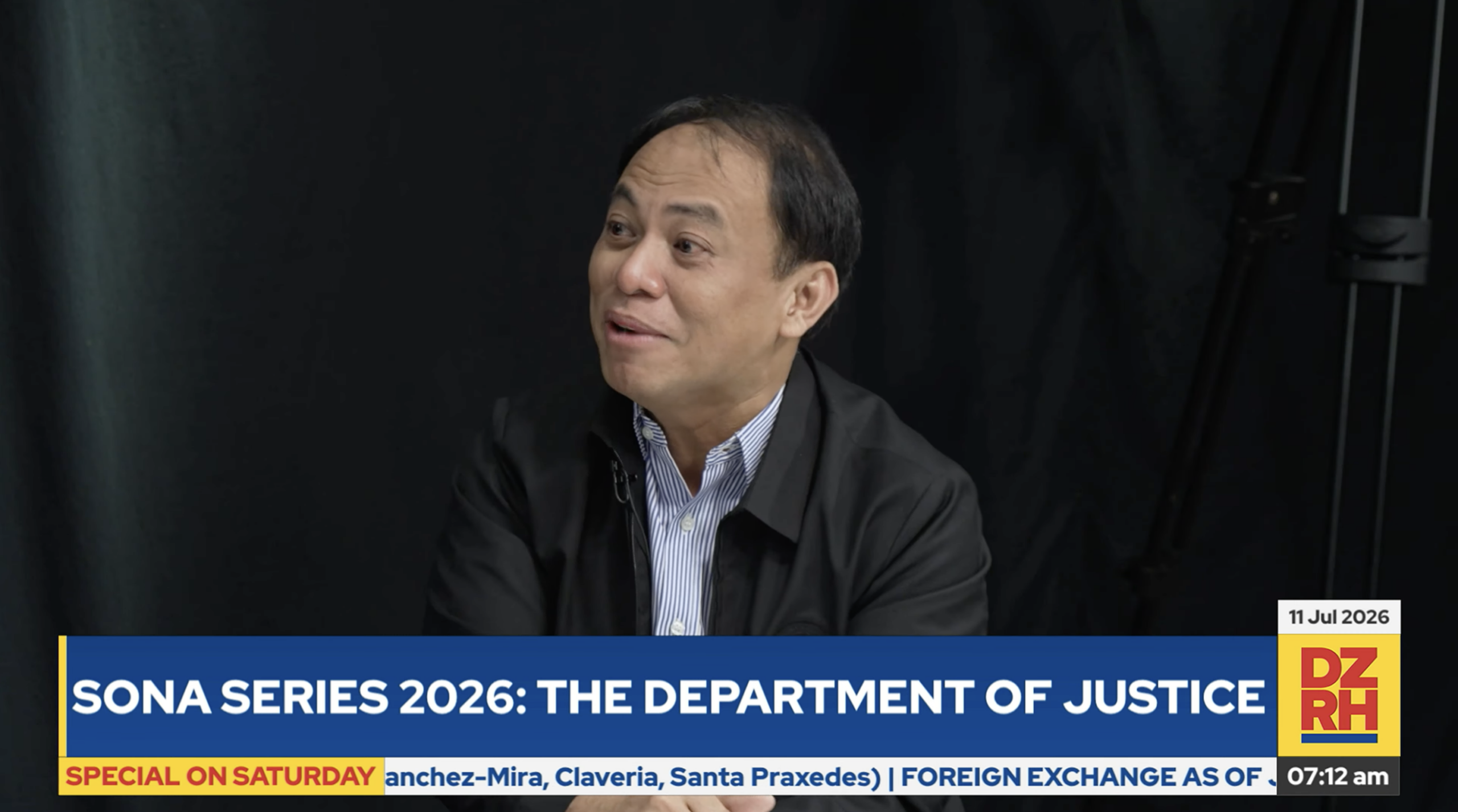
Speaking on DZRH News program Special on Saturday on July 11, as part of “The DZRH SONA 2026 Series,” Secretary Vida and his undersecretaries outlined the change at the Department of Justice: the standard for filing criminal cases has been raised from mere probable cause to “prima facie evidence with reasonable certainty of conviction.”
“File-an mo na ng kaso, to follow na lang ang ebidensya,” Secretary Vida said, describing the old practice plainly. “Ang pangarap nating maging thing of the past.”
Justice Undersecretary Nicholas Felix Ty put the shift in plain terms: where prosecutors previously needed to clear a threshold of roughly “4 out of 10” in terms of evidentiary weight before filing a case, they now need to meet a standard closer to “7 out of 10″—meaning a case must be substantially built before it ever reaches a court.
The consequences are significant for ordinary Filipinos. Under the old system, anyone could walk into a precinct or a barangay hall and file a case against another person—even with thin or nonexistent evidence—knowing the fiscal’s office would figure it out later.
“Pwede rin kasing ‘yung nagrereklamo nangha-harass lang. Nai-save na natin ‘yung mga Pilipino na hinaharass lang,” Secretary Vida said, stressing that the new standard protects both potential victims from real criminals and ordinary citizens from weaponized complaints.
Undersecretary Deo Marco added that the reform also addresses abuse within the law enforcement system itself, recalling that police officers would sometimes file cases to meet promotion quotas—regardless of whether evidence existed.
“Kailangan meron talagang ebidensya bago umurong ang kaso. Wala na silang pwedeng basta-basta gawin ‘yun,” Undersecretary Marco said.
The new standard also means that when DOJ files a case in court, prosecutors must be trial-ready immediately—ending the previous practice of filing and then scrambling for evidence during prolonged pre-trial and trial stages.
“Pag isinampa ang kaso, pag tinanggap ‘to ng piskalya at isinampa sa korte, ready na tayong mag-trial,” Secretary Vida said, adding that this is expected to reduce court docket congestion and speed up justice for both complainants and the accused.
The reform has the backing of the Supreme Court, which has affirmed its consistency with existing jurisprudence—giving the new standard a firm legal footing and signaling a shift not just in DOJ practice but in how criminal justice works in the Philippines.