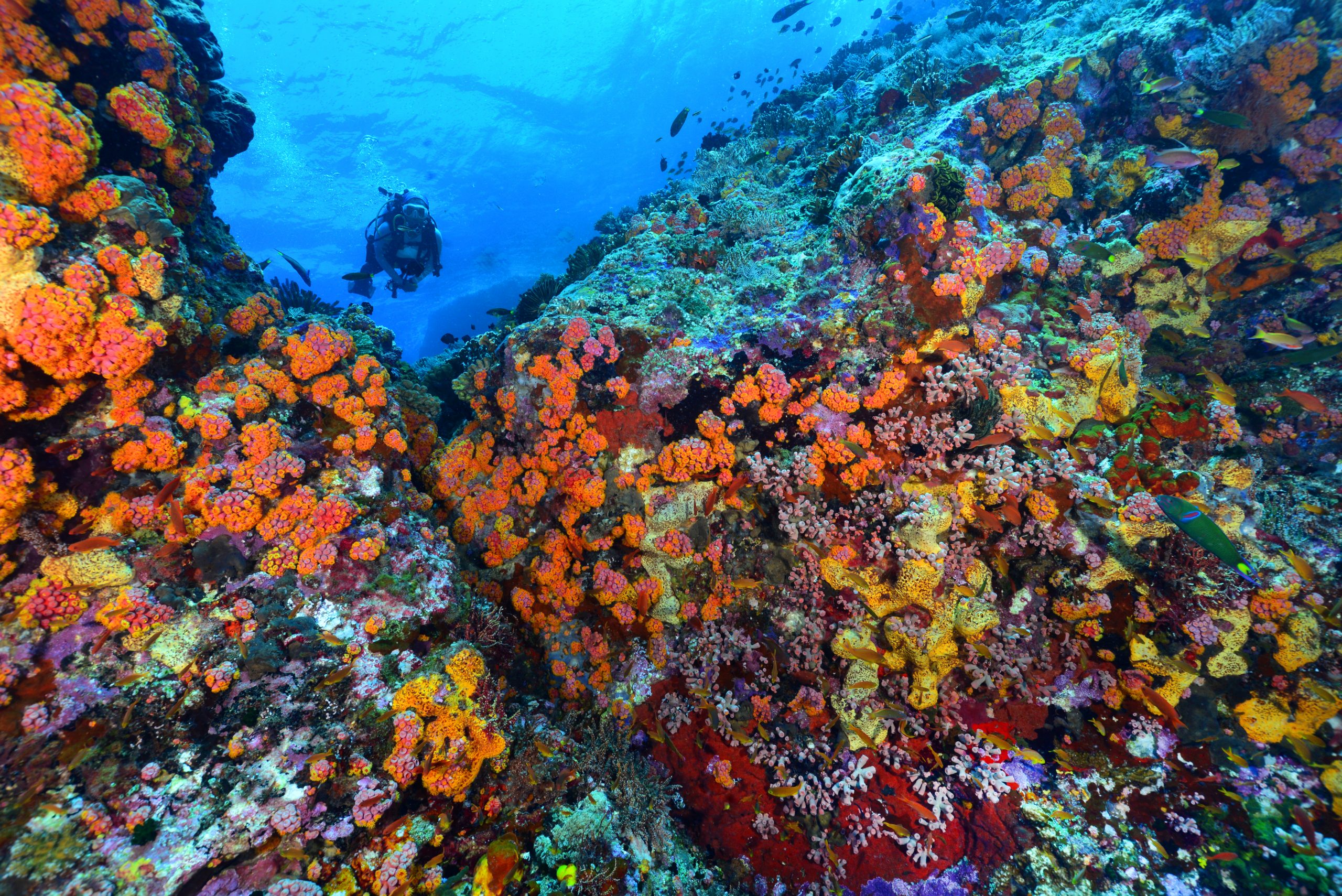
The Tubbataha Reefs are not only one of the Philippines’ most treasured natural wonders—they may also hold promising breakthroughs in medicine.
The study, conducted by scientists from the Center for Chemical Biology and Biotechnology and the Center for Natural Drug Discovery and Development at the University of San Agustin and published in 2023 has identified a novel marine bacterium capable of producing rare chemical compounds with potent activity against multidrug-resistant “superbugs” and even human cancer cell lines.
The researchers isolated the strain, named Streptomyces tubbatahanensis sp. nov., from previously unexplored marine sediments in the Sulu Sea.
According to the study, members of the Streptomyces genus are historically known for producing about half of the world’s clinically used antibiotics. However, as land-based sources become increasingly exhausted, scientists are turning to pristine and extreme marine environments in search of new species.
By analyzing the bacterium’s full genetic blueprint, researchers discovered that its genome contains 29 biosynthetic gene clusters—biological systems responsible for producing unique chemical compounds.
Among these was a rare gene combination linked to the production of chlorinated carbazole alkaloids, a class of molecules with potential pharmaceutical applications.
The primary compound identified, chlocarbazomycin A, showed strong antimicrobial properties. Laboratory tests found it could kill Staphylococcus aureus—including multidrug-resistant strains—and Streptococcus pyogenes by rapidly damaging their cell membranes.
The discovery is seen as significant in the global fight against antimicrobial resistance, which threatens to render existing antibiotics ineffective.
Beyond its antibacterial effects, chlocarbazomycin A also demonstrated the ability to inhibit the growth of human colon, ovarian, and breast cancer cell lines.
“Overall, the bioprospecting of novel Streptomyces species from marine sediments of underexplored ecological niches serves as an important source of drug leads with hidden biosynthetic potential and unique chemical scaffolds,” the researchers said.
Despite the promising results, the study noted that further development is needed before the compound can be used in clinical settings.
“Chlocarbazomycin A exhibited no toxicity to liver cells but moderate and high toxicity to kidney and cardiac cell lines, respectively,” the researchers added.
Scientists said future research will focus on modifying the compound to retain its cancer-fighting and antibacterial properties while minimizing harmful side effects on vital organs. — Photo from the Marine Conservation Institute