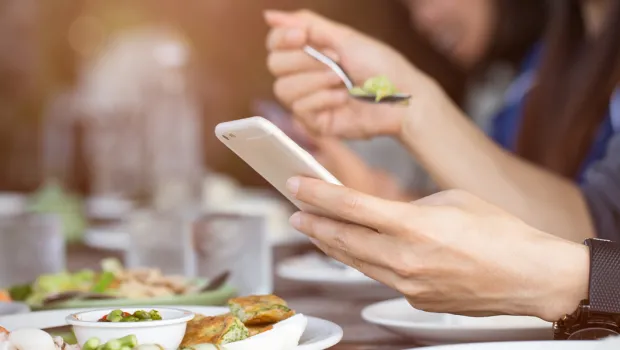
For years, parents have scolded their children for using smartphones during family meals. But a recent study suggests that parents may be more guilty of this habit than their kids.
A study published on June 15, 2026 in JAMA Pediatrics by researchers from the University of Arizona found that adults struggle to put down their devices during mealtimes.
The researchers surveyed 357 parent-child pairs across the United States to examine media use during their most recent family meal.
Results showed that 77.6% of parents reported using media during dinner, compared to 68.7% of their children.
The study found that adults were more likely to use smartphones during meals, followed by watching content on large and small screens. Among children, watching content on televisions, tablets, or smartphones were also the most common forms of media use during meals.
“Media use is finding its way into our lives more than we may realize,” said Cecilia Sada Garibay, a study co-author and Ph.D. candidate at the University of Arizona. “If you have your device and you’re constantly checking it at the table, it can affect a valuable moment parents have with their children, and it can have an effect on the relationship.”
The study also found that parents’ device use did not necessarily influence their children’s habits, suggesting that media consumption during meals may stem from independent behaviors.
However, researchers emphasized that the type of media matters. “No forms of media consumption are the same,” Sada Garibay said. Watching a movie together on a large screen may encourage family bonding, while individually scrolling on smartphones can create “communication interruptions” that isolate family members.
The study also noted differences across demographics. Black households were more likely to engage in shared media use, such as watching programs together, while Asian households tended to favor more individualized media use during meals.
Gender differences were also observed, with young girls reporting lower levels of shared media use, which researchers suggest may be linked to stricter parental monitoring of their media habits.
Despite these findings, researchers and pediatricians stressed the importance of shared family meals for child development, including healthier diets, improved emotional well-being, and stronger communication skills.
The researchers said the findings could help guide families in improving their screen habits.
For households where a strict “no-screen policy” is difficult to implement, public health experts recommend setting aside at least one screen-free meal per week. Dedicating 20 to 30 minutes to uninterrupted, face-to-face interaction can help offset the effects of screen distractions and strengthen family connections.