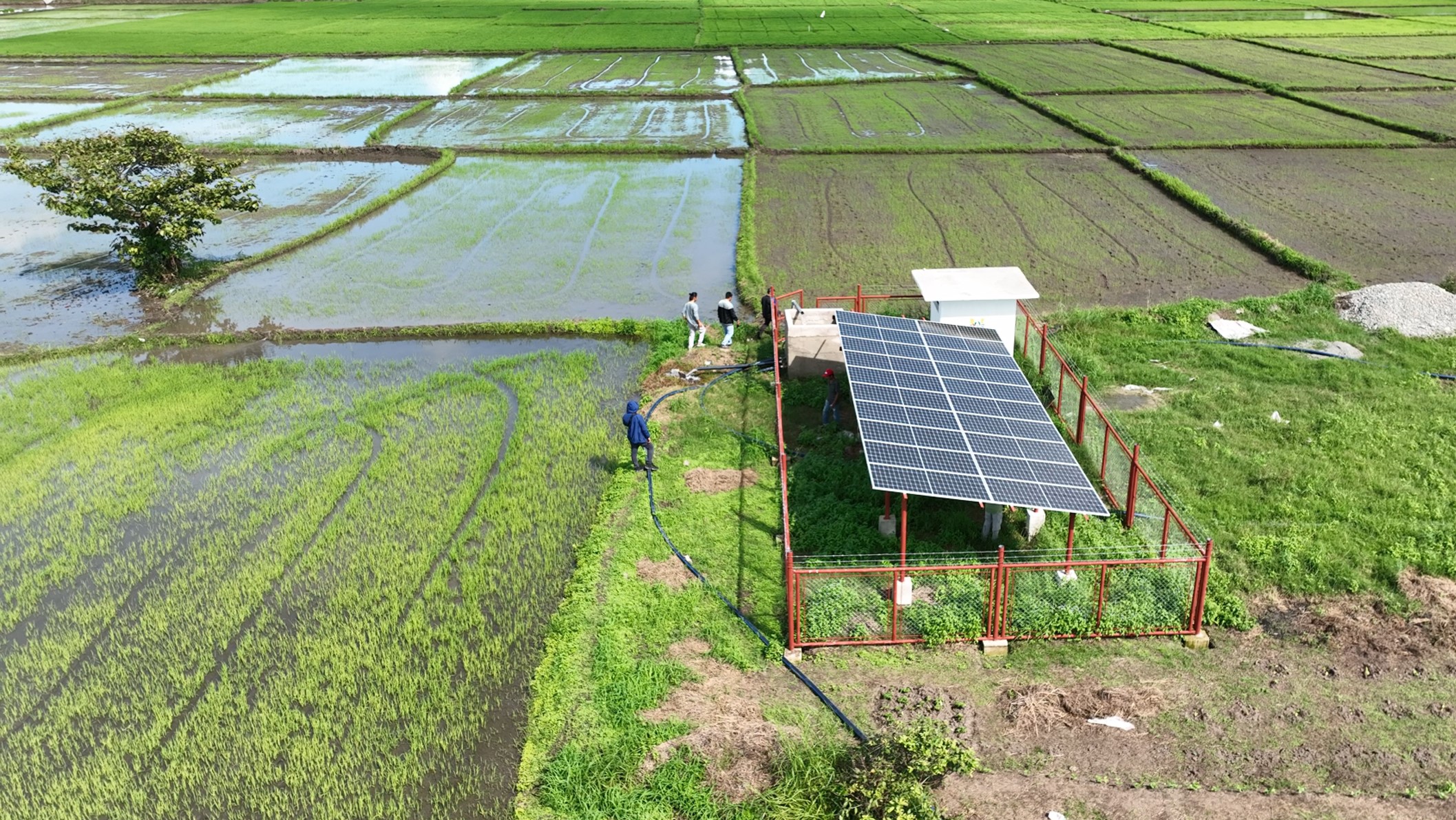
The National Irrigation Administration (NIA) is converting failed diesel and electricity-driven pumping stations along major river basins into solar pump irrigation systems, with results so far proving positive, its administrator said Saturday.
In an interview on DZRH News program Special on Saturday on June 13, NIA Administrator Eduardo Guillen said the old pumping stations collapsed primarily because high diesel and electricity costs made them impossible for farmers to maintain.
“Ang dahilan po siyempre diesel-driven iyan at pinapatakbo po iyan ng kuryente. Napakamahal po ng diesel at kamahal din ng kuryente, so hindi ho kayang i-maintain ng ating mga farmers,” Guillen said.
He said the shift to solar pump irrigation systems is part of a broader focus on repair and restoration rather than new construction, a directive from President Ferdinand Marcos Jr. that Guillen said is far more cost-efficient.
Guillen said the repair and restoration approach was prioritized because rehabilitating existing infrastructure costs significantly less than building new facilities, allowing NIA to extend irrigation services to more areas with limited funding.
He said the solar pump irrigation rollout is being funded by the national government, and credited Marcos for treating food security as a genuine budget priority—not just a policy statement.
“Diyan ako bilib kay Presidente eh, priority niya po kasi itong food security. Yung kasabihan ho na ‘put your money where your mouth is’ ay ganun po talaga siya,” Guillen said.
The shift to solar irrigation is part of NIA’s larger climate adaptation program, which also includes desilting operations, brush dam construction, and a shift in cropping calendars to cushion the impact of El Niño on irrigated farmlands nationwide.