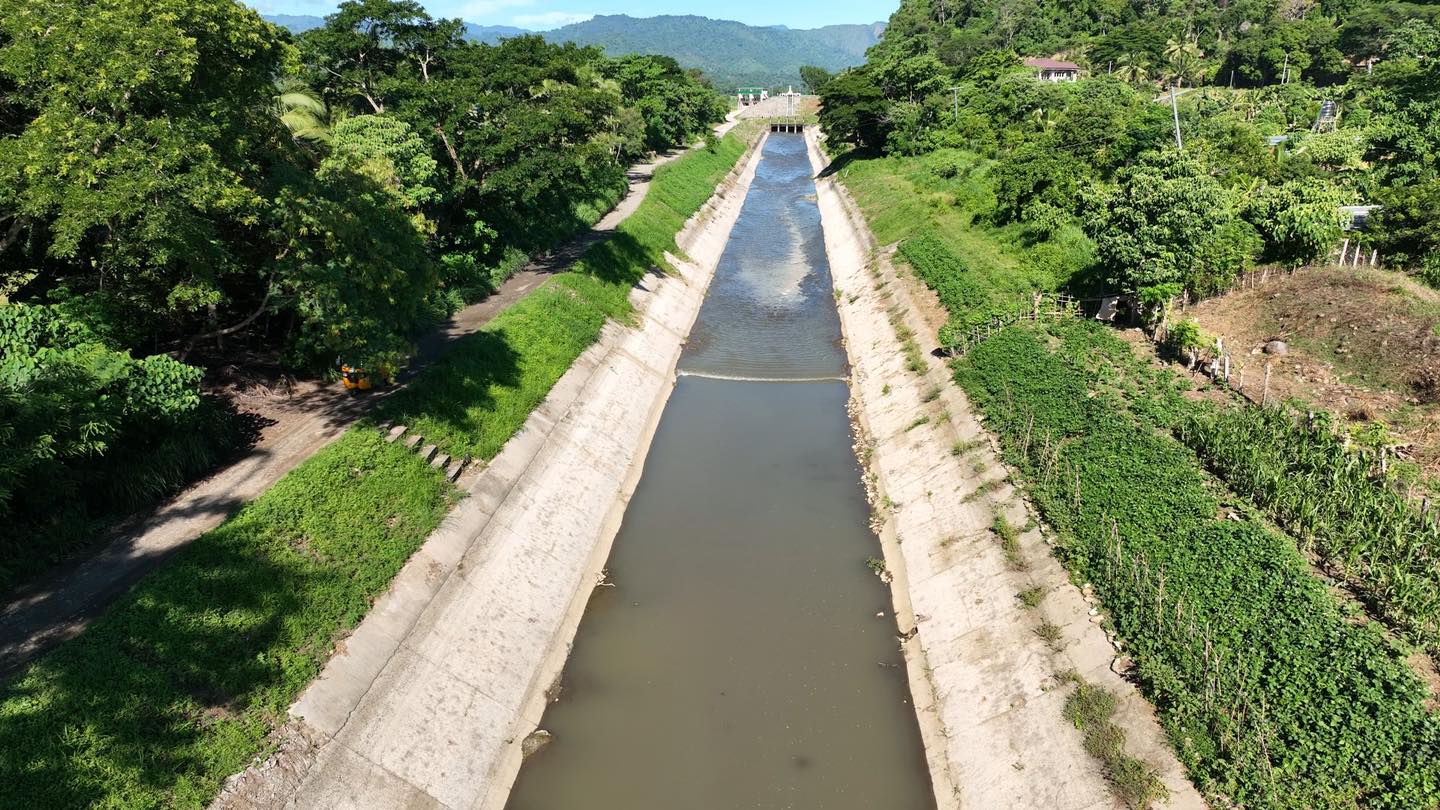
The National Irrigation Administration (NIA) has no power to stop the conversion of irrigated farmlands to commercial or industrial use, its administrator admitted Saturday, as both he and a former senator flagged the long-running absence of a National Land Use Plan as a critical gap undermining the country’s food security and irrigation investments.
NIA Administrator Eduardo Guillen made the admission in an interview on DZRH News program Special on Saturday on June 13, saying NIA’s role in land conversion proceedings is limited to certifying whether a piece of land is irrigated or not—with the final decision to allow conversion resting entirely with other agencies.
“Ang pwede na lang naming sabihin doon sa mga conversion papers kung ito ba ay irrigated o ito ba ay hindi. Pero at the end of the day, pwede pa rin nilang i-convert ito,” Guillen said.
Former Senator Orly Mercado, who joined the interview as a studio guest, said a National Land Use Plan was already drafted as far back as 1989 to 1990, defining forest lines and protecting agricultural land from conversion—but has never been enacted into law, leaving irrigation planning without a binding national framework.
Mercado said the absence of the plan has allowed irrigated lands to be swallowed up by subdivisions and industrial parks, with irrigation canals now running through commercial developments—a visible sign of fragmented and uncoordinated land use governance.
“Nagco-convert ng mga pieces of land na irrigated, nakakakita ka ng irrigation canal na dumadaan sa subdivision o sa isang lugar na sinasabi na industrial park na iyon. So we have no basis, yung long-term basis,” Mercado said.
Mercado added that investigations he conducted during his time in the Senate revealed that land conversion had become a source of income for local government units—a financial incentive that effectively undermined efforts to protect prime agricultural land.