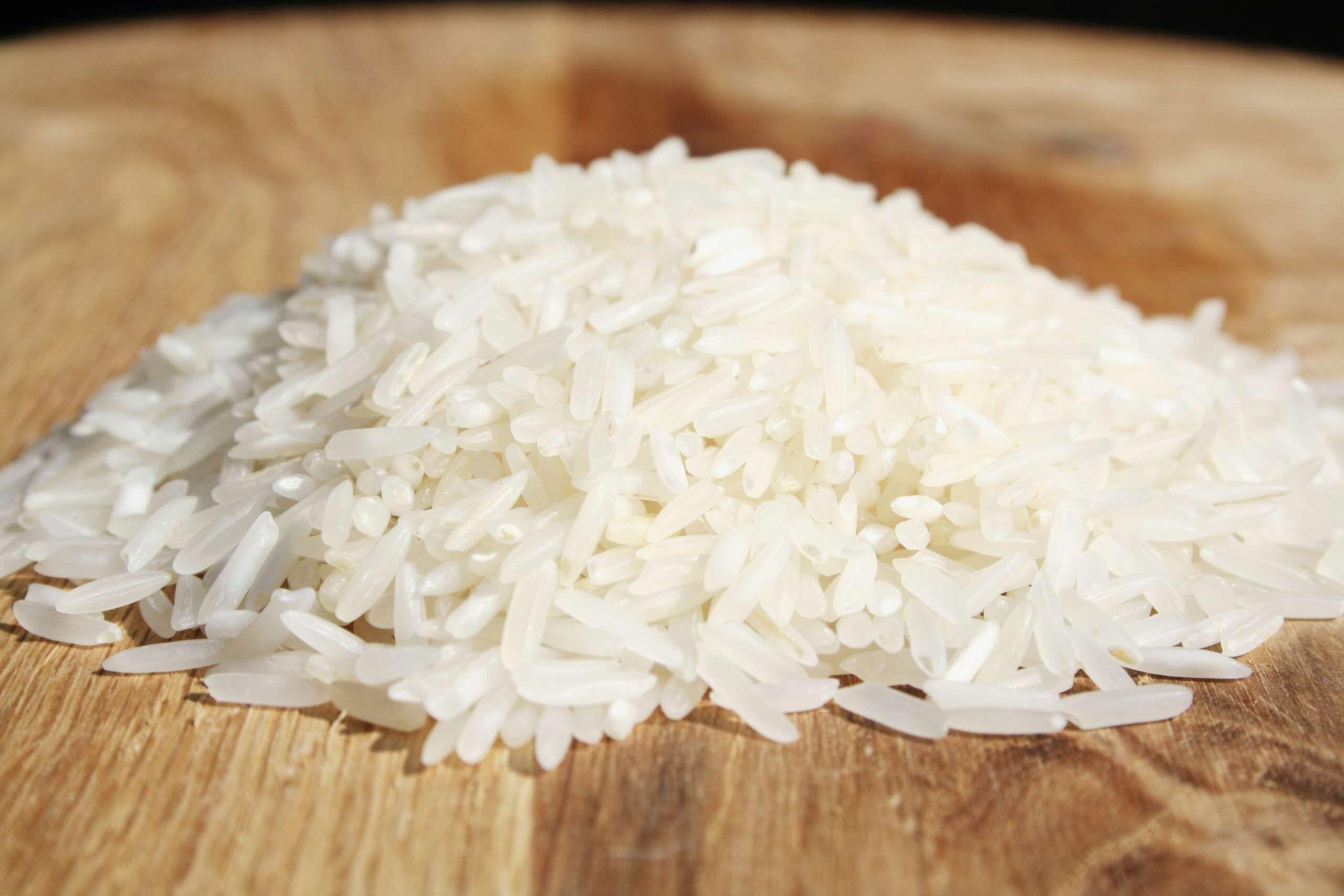
Rice—a staple food across much of Asia—may soon face climate conditions unlike anything it has experienced in its 9,000-year history.
A new study published this year in Communications Earth & Environment warns that rice is approaching a critical thermal limit as global temperatures continue to rise.
Researchers found that climate change is warming the planet at a rate nearly 5,000 times faster than the pace at which rice has historically adapted.
According to the study, rice has demonstrated a remarkable ability to expand into cooler regions over thousands of years. However, it has consistently remained within a strict “upper thermal boundary.”
WHAT IS RICE’S THERMAL CEILING?
The study explains that domesticated Asian rice thrives only in environments where the mean annual temperature remains below 28°C (82.4°F) and warm-season maximum temperatures stay below 33°C (91.4°F).
Once temperatures exceed those limits, rice plants begin to suffer. Researchers noted that photosynthesis in rice starts to shut down at around 40°C (104°F). Extreme heat also disrupts the plant’s biological processes by damaging pollen viability and interfering with grain development—directly threatening crop yields and food security.
In simpler terms, as temperatures rise and weather patterns become more extreme, rice plants struggle to genetically adapt quickly enough to withstand heat stress, drought, and flooding.
To assess the long-term impact, researchers mapped how often these thermal thresholds could be breached by the end of the century.
Their findings suggest that large areas currently suitable for rice cultivation may face severe disruption.
“Over the past 9,000 years, domesticated Asian rice has rarely thrived where mean annual temperature exceeds 28°C or warm-season maximum temperature exceeds 33°C. By the end of this century, projections estimate that the land area exceeding these thermal thresholds could expand by ten to thirty times in Asia’s major rice-producing nations,” the researchers said.
“Rice-dependent regions face unprecedented challenges in maintaining this staple crop under projected warming,” they added.
THE CHALLENGES AHEAD
Researchers said some higher-latitude regions, including parts of northern China, could become more suitable for rice cultivation as temperatures rise. However, that shift offers limited relief for populations in tropical countries that heavily depend on rice production.
Despite the alarming findings, the researchers emphasized that rice is not “doomed.”
They noted that humans can still improve rice resilience through breeding, irrigation systems, and landscape engineering.
Still, the study underscores the growing impact of climate change on agriculture, highlighting how global warming is pushing one of the world’s most essential crops closer to its limits and posing increasing risks to global food security.