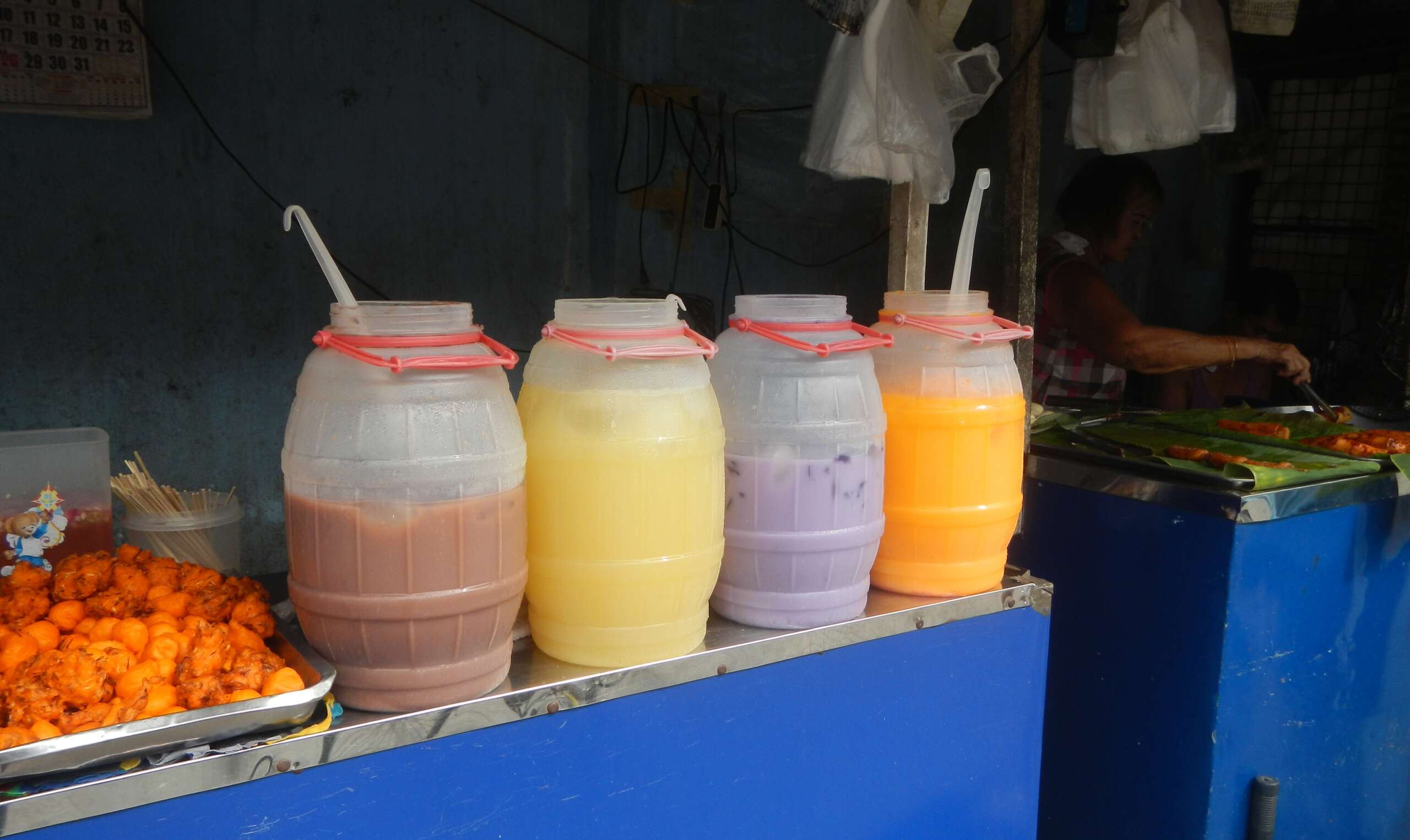
A University of the Philippines (UP) Manila study found drug-resistant bacteria in the beverages, ice, cups, and vendor palm swabs collected from all 12 sampled palamig stalls in Tondo, Manila—raising public health concerns as Filipinos turn to street-vended cold drinks to cope with intense summer heat.
The study, conducted in 2024 to 2025 by UP Manila Associate Professor Dr. Geraldine Dayrit and her team, detected the presence of antimicrobial-resistant (AMR) bacteria across every stall in their sample—a 100% positivity rate that alarmed even the researchers themselves.
“Opo, meron po tayong nakikitaan,” Dayrit said on DZRH News program “Special on Saturday” when asked whether all 12 stalls tested positive. “At ang nakakagimbal din po dito, bukod po sa bacteria, may resistance genes po, ang tawag po dito ay ‘yung pwede pong mai-transfer nang madalian sa ibang tao.”
Of all the samples collected—which included the beverages themselves, water used in preparation, cups, ice, and vendor palm swabs—ice emerged as the most contaminated source alongside the vendors’ hands.
“Bukod po sa kamay, ang may pinakamataas po ay ang yelo,” Dayrit said. “Hindi po natin akalain na ang yelo.”
Dayrit explained that ice in street vending settings is often mishandled long before it reaches the customer’s cup — delivered and stored in conditions that expose it to contamination. “Posible sa pag-handle din ng yelo, kasi makikita po natin sa paligid natin minsan binibitbit o dine-deliver ang yelo kung saan-saan,” she said.
The finding carries particular weight because AMR bacteria are not eliminated by ordinary antibiotic treatment. Unlike common bacteria that die when a patient takes standard antibiotics, AMR bacteria carry resistance genes that can render those medicines less effective or entirely useless.
“Itong bacteria na kahit pinainom ka ng ordinaryong antibiotic, maaring walang bisa o kulang sa bisa,” Dayrit explained.
The researchers also flagged the role of vendors’ hands as a contamination pathway—noting that the same hands that handle money, scoop ice, and pour drinks are rarely washed with clean water between transactions.
Dayrit further noted that reusing the same wiping cloth throughout the day was a common practice observed in the field. “Ang pinupunas din paulit-ulit maghapon, same pampunas,” she said.
The scope of the study extended beyond palamig drinks. Dayrit said the research also covered ready-to-eat street food including kwek-kwek, sawsawan, raw seafood such as kinilaw, fresh produce sold as salads, and poultry that had not been properly processed or cooked—all of which showed presence of AMR bacteria as well.
AMR is not a threat confined to street food alone, Dayrit noted. The bacteria and resistance genes they carry can spread easily between people, making contaminated food and drink a potential vector for wider community transmission.
Consuming AMR-carrying bacteria does not guarantee immediate illness, but should infection occur, the limited effectiveness of standard antibiotics makes treatment more difficult and recovery less predictable.
UP Manila Chancellor Dr. Michael Tee, who presented the findings with Dr. Dayrit on DZRH News program “Special on Saturday” on May 2, stressed that the problem is preventable.
He called for barangay-level vendor training on proper hygiene, environmental sanitation at selling areas, and public awareness campaigns—noting that treating diarrhea and other foodborne illnesses costs communities far more than prevention.
Tee also noted that diarrhea ranks 19th among the top causes of age-standardized death in the Philippines, citing the UP Manila College of Public Health’s Medical Atlas.
The Manila Health Department (MHD), through City Health Officer Dr. Grace Padilla, said it has begun planning a response that includes re-inspection of the 12 sampled sites, mandatory vendor hygiene training with certificates, free water potability testing for vendors, and routine microbiological monitoring in coordination with UP Manila.
Padilla also announced plans to provide standard hygiene kits for small vendors and establish clean water stations in high-risk vending areas, with Tondo identified as a priority zone.
Dayrit said the KAP — or Knowledge, Attitudes, and Practices—component of the study, which surveyed food handlers and vendors across Metro Manila market stalls, has already been published in a peer-reviewed journal and is available for use by government agencies as a policy basis.