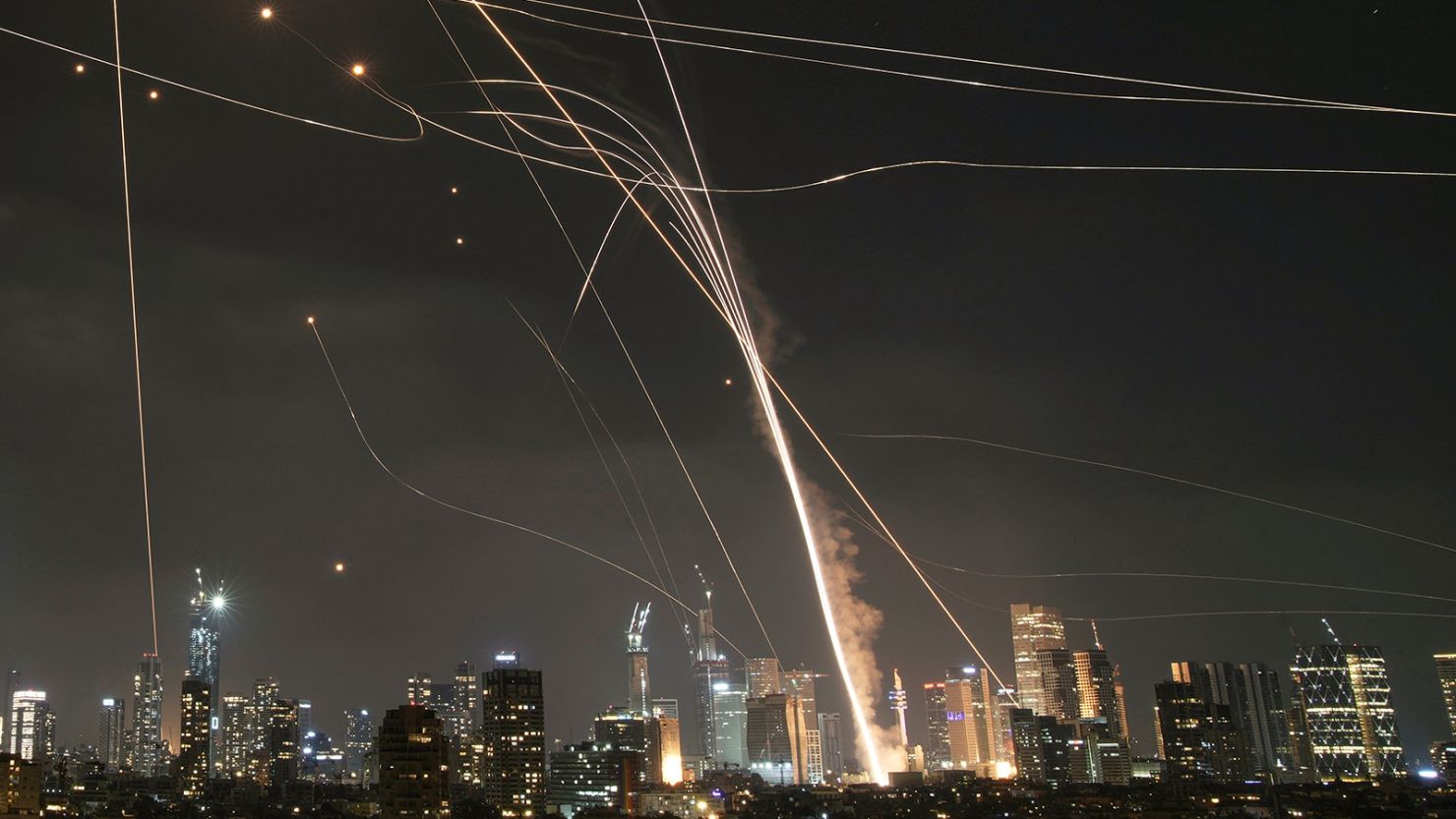
One month into the war between the United States and Iran, there are no signs of a ceasefire, no formal peace negotiations on the table, and no clear end in sight.
What began as a swift American military strike — framed by the Trump administration as a decisive blow against Iran’s nuclear capabilities — has since widened into a conflict that now draws in American military bases across the Middle East, putting the entire region on a war footing.
For a country like the Philippines that imports nearly all of its energy needs, the longer this drags on, the deeper the economic wound.
US Secretary of State Marco Rubio said recently that the conflict would last only a few more weeks. But that optimism is increasingly difficult to square with the reality on the ground.
Iran continues to fire missiles at Israel, and has now expanded its targets to include American military bases hosted by Saudi Arabia, Qatar, and the UAE — a significant escalation from the early days of the conflict.
Tehran’s position remains firm: foreign forces must leave the region, and Iran’s sovereignty must be respected. Washington has shown no indication it is prepared to meet those demands.
Economist Emmanuel Leyco, former president of the Pamantasan ng Lungsod ng Maynila (PLM), says the conflict has already grown too wide to end quickly.
“Napakalawak na,” he said in an interview on DZRH’s Special on Saturday. Iran, he noted, has begun striking American military bases in neighboring countries — a significant widening of the battlefield. “Dati hindi inaatake ng Iran ‘yung mga base militar ng Amerika sa mga karatig bayan,” Leyco said, “pero ngayon, inaatake na rin nila.”
Even if a ceasefire were announced tomorrow, the damage to oil infrastructure across the Middle East is so severe that production cannot be restored quickly. “Hindi lamang six months, mahigit pa ang kakailanganin para maibalik sa dati ang produksyon ng langis sa Gitnang Silangan,” he warned.
The numbers are already alarming for Filipino consumers. Brent crude has climbed to $112.6 per barrel. The Philippine peso has weakened to 60.55 against the US dollar. Most strikingly, diesel prices in the Philippines have surged nearly 82 percent since the conflict began — the highest increase of any country in the world, according to global petrol price data.
These are not abstract figures. They translate directly into higher fares, more expensive food, and shrinking household budgets for millions of Filipinos.
The peso’s weakness compounds the problem significantly. Because the Philippines imports nearly everything — fuel, food, clothing, raw materials — a weaker currency means every dollar-denominated purchase costs more.
When oil prices rise at the same time the peso falls, the effect on prices is not additive, it is multiplicative. “Tumataas ang presyo ng petrolyo, dumadausdos naman ang halaga ng piso kontra dolyar,” Leyco said. “Kaya po tayo ay mukhang nagiging napakasikip ng ating kinalalagyan sa mga panahong ito.” Filipino consumers are being squeezed from both ends simultaneously, with little immediate relief on the horizon.
The transport sector is bearing much of the brunt. Diesel, the fuel that powers jeepneys, trucks, and cargo vehicles, is precisely what has seen the sharpest price increases.
A proposal to raise jeepney fares by one peso was approved and then reversed by the President within a single day, leaving drivers and operators to absorb the difference themselves. The consequences extend beyond the transport sector itself — as the cost of moving goods rises, so do the prices of everything those vehicles carry, from vegetables grown in the provinces to fish landed at the docks.
There are also early signs of a supply problem, not just a price problem. More than 400 gasoline stations have reportedly shuttered in recent weeks. While the government has maintained that national fuel supply remains adequate, Leyco disputes that assessment.
“Ang sabi ng Pangulo at ni [Undersecretary] Castro na ang supply ay nananatili, eh mukhang hindi po yata totoo ‘yan sa buong kapuluan,” he said. The closures are concentrated in areas critical to food production and distribution.
If fuel becomes unavailable — not merely expensive — the downstream impact on food prices in Metro Manila and other urban centers could be severe. “Meron pong mga lugar na nawawalan na po ng supply,” Leyco added.
The government has responded with fuel subsidies and aid for the transport sector, and has moved to source crude oil from Russia as an alternative. Congress has also granted the President emergency powers, though implementation is expected to take at least 15 days from signing.
Leyco argues that the most immediate and effective action available is the removal of excise taxes on fuel — a move that could cut pump prices by as much as ten pesos per liter.
Critics have argued that such a move would primarily benefit the wealthy, who buy more fuel. Leyco rejects that framing. “Ang ginagamit nilang petrolyo ay ginagamit nila sa mga pampasaherong jeep, sa mga bangka, sa mga rider,” he said of poorer Filipinos. “Ito po ay pampublikong gamit, hindi po ito pampersonal.” The benefits, he insists, flow to far more people than the top income bracket.
If the Iran war drags on for months, as many analysts now expect, the government will need to move beyond stopgap measures and make harder decisions about energy policy, price controls, and emergency declarations.
“Sa ngayon, sinasabi nila na mataas ang presyo, kakayanin pa rin,” Leyco said. “Mukhang hindi na po kaya.” The ordinary Filipino — the jeepney driver, the fisherfolk, the market vendor — cannot wait for a geopolitical solution that may be months away. The policy response needs to match the scale of the crisis now.