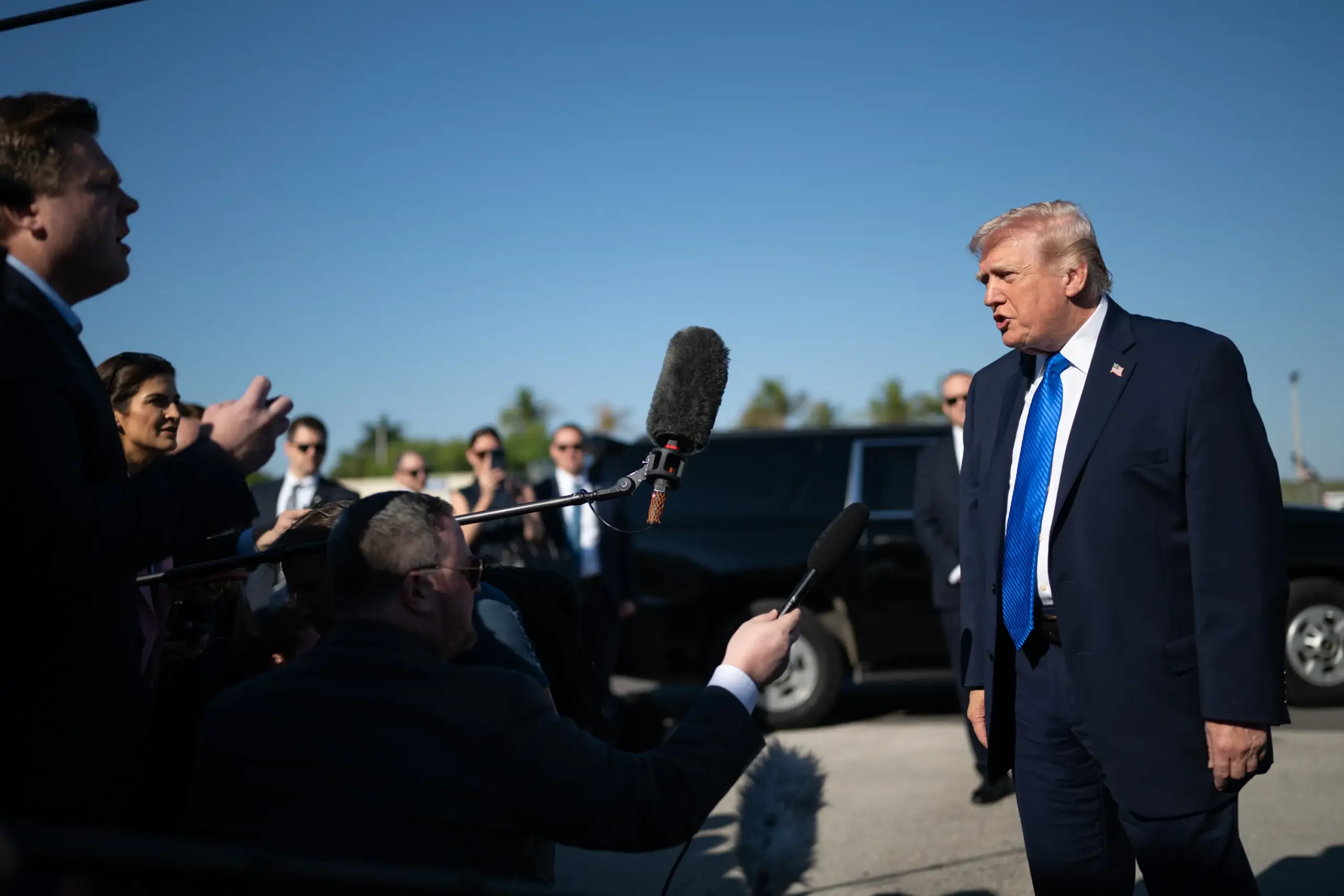
U.S. President Donald Trump said he would again extend a deadline for Iran to reopen the Strait of Hormuz or face potential strikes on its energy infrastructure, even as Tehran rejected a 15-point U.S. proposal to end the conflict as one-sided.
“Talks are ongoing and, despite erroneous statements to the contrary by the Fake News Media, and others, they are going very well,” Trump said in a post on U.S.-based social networking site Truth Social.
The announcement comes as a four-week war involving the United States, Israel, and Iran has killed thousands and shaken the global economy, driving up energy prices and stoking inflation concerns.
The United States and Israel launched strikes on Iran on February 28 during negotiations over Tehran’s nuclear program that had yet to produce a deal, marking an escalation that has since spread across the region.
Trump said he would pause threatened attacks on Iranian energy facilities for 10 days until April 6, extending an earlier five-day halt, while Iran has said it is not engaged in talks with Washington.
Tehran warned it would retaliate against energy infrastructure in the Gulf if U.S. threats are carried out, as it continues to effectively block the Strait of Hormuz, a chokepoint that carries about 20% of global oil and liquefied natural gas shipments.
The disruption has pushed crude prices up by about 40%, lifted liquefied natural gas prices, and raised fertilizer costs by around 50%, while stock markets in the United States, Europe, and Asia have fallen amid fears of a prolonged conflict.
On the ground, Iranian media reported strikes on residential areas in Tehran, Qom, and Urmia, with at least six people killed in one housing strike and multiple casualties reported elsewhere as rescue operations continue.
Fighting has continued alongside uncertain diplomatic efforts, with Israel saying it struck missile production and air defense sites across Iran, while the United States weighs additional troop deployments and has confirmed the use of unmanned drone speedboats in operations, underscoring the risk of a broader regional war. —reports from Reuters