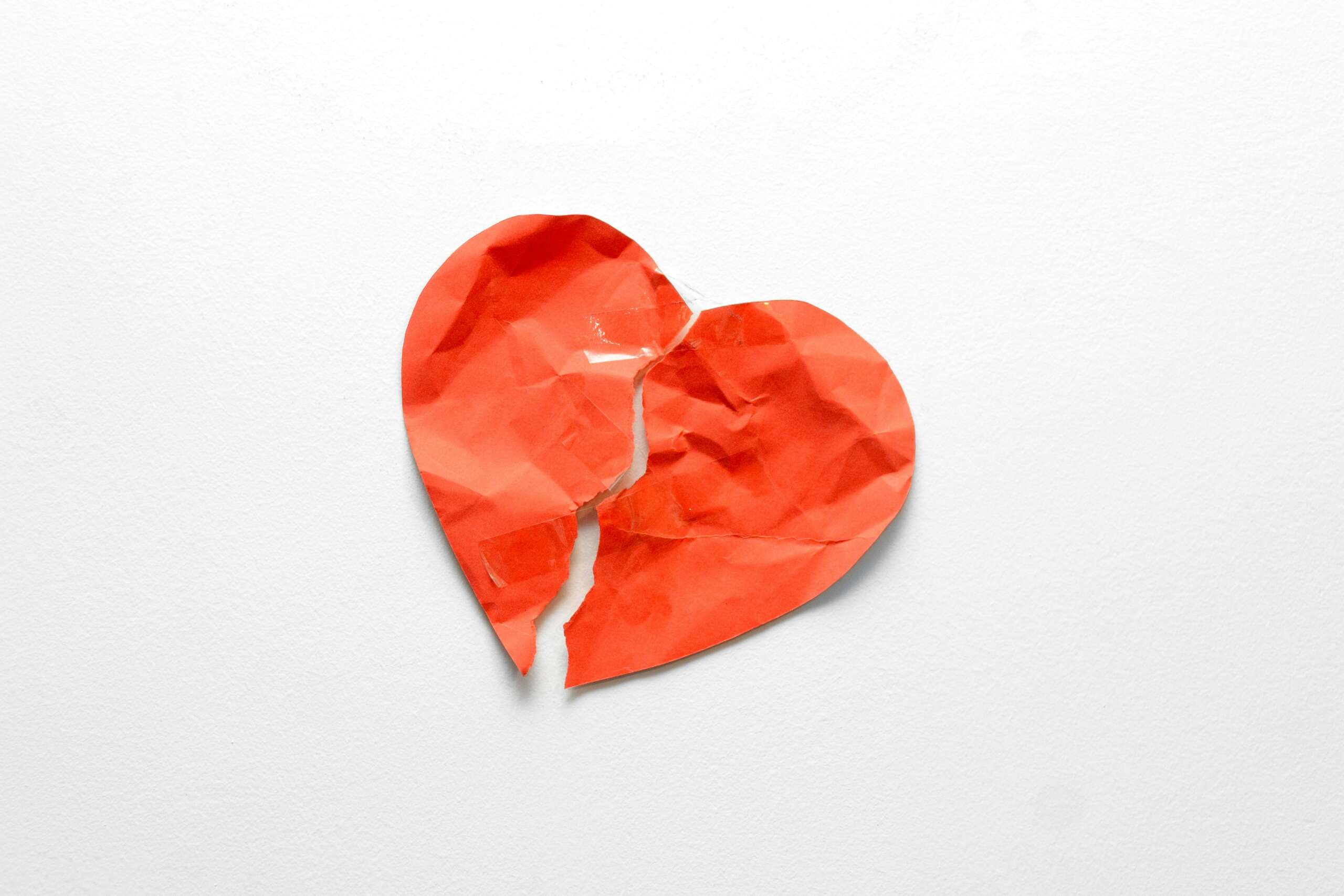
Most of us have probably experienced some form of heartbreak before.
Heartbreak can take many forms, whether from a failed relationship, the death of a loved one, or losing a job.
The feeling of heartbreak can lead to intense emotions such as sadness and grief, which can sometimes make a person feel physically sick.
Cardiologist Dr. Marc Gillinov said on the medical website Cleveland Clinic, “Strong emotions like grief, anger, fear, and even excitement elicit physical changes in your body. Emotional responses absolutely affect your physical well-being. But the likelihood that you’ll actually die from a broken heart is pretty slim.”
WHAT IS “BROKEN HEART SYNDROME”?
Cleveland Clinic defines “broken heart syndrome,” formally known as stress cardiomyopathy or takotsubo cardiomyopathy, as a heart attack–like event — an emergency situation that requires immediate medical attention.
The following are symptoms of broken heart syndrome:
- Sudden and severe chest pain
- Shortness of breath
- Irregular heartbeats
- Low blood pressure
- Heart palpitations
- Fainting
The medical website said that even on an EKG, or electrocardiogram, broken heart syndrome can look like a person is having a heart attack — but it is not.
“Broken heart syndrome is probably caused by hormonal factors,” Dr. Gillinov said. “It can imitate a heart attack, but heart attacks are caused by a blood clot in the arteries.”
Most of the time, heart failure related to broken heart syndrome resolves on its own. However, in rare instances, broken heart syndrome could be deadly — occurring in about 1% of cases. This means it’s best to seek medical attention if someone experiences heart attack–like symptoms.
MEN ARE MORE LIKELY TO DIE OF A “BROKEN HEART,” STUDY SAYS
A study published in the Journal of the American Heart Association found that while broken heart syndrome is more common in women, men die from it at more than twice the rate.
The study’s lead author, Dr. Mohammad Movahed, explained that men may have a harder time recovering from broken heart syndrome because they tend to have less social support to help manage stress and emotions.
Meanwhile, Dr. Ilan Wittstein, a cardiologist at Johns Hopkins Medicine who was not involved in the research, said, “People with emotional stressors actually do quite well. Men may be more at risk for dying and having worse outcomes because they’re less susceptible to begin with. So it takes a more dangerous trigger to precipitate the syndrome.”
HOW DO YOU TREAT A BROKEN HEART?
Cardiologists say the mysteries surrounding broken heart syndrome make it difficult to treat or prevent.
Doctors sometimes prescribe medications typically used for other heart conditions, such as beta blockers, or recommend stress-management approaches like meditation and counseling with a mental health professional.
“So far, we haven’t identified any medication or targeted treatment that reduces complications or lowers mortality,” Movahed said.
His recent study showed that death rates from broken heart syndrome remained largely unchanged between 2016 and 2020, suggesting that current treatment options are falling short.
Wittstein noted that the study relied on diagnostic codes from hospitalized patients, which don’t always capture the full circumstances surrounding a person’s death — particularly if neurological problems such as a stroke were involved.
“I’m confident that some of these patients recovered from broken heart syndrome and later died from complications related to something else,” he said.
Cardiologists emphasize that their strongest advice is for people to seek immediate medical care if they experience chest pain or shortness of breath, rather than assuming the symptoms are simply stress-related.
“You can’t distinguish this from a classic heart attack without hospital testing,” Reynolds said. “Staying home with chest pain is not appropriate.”