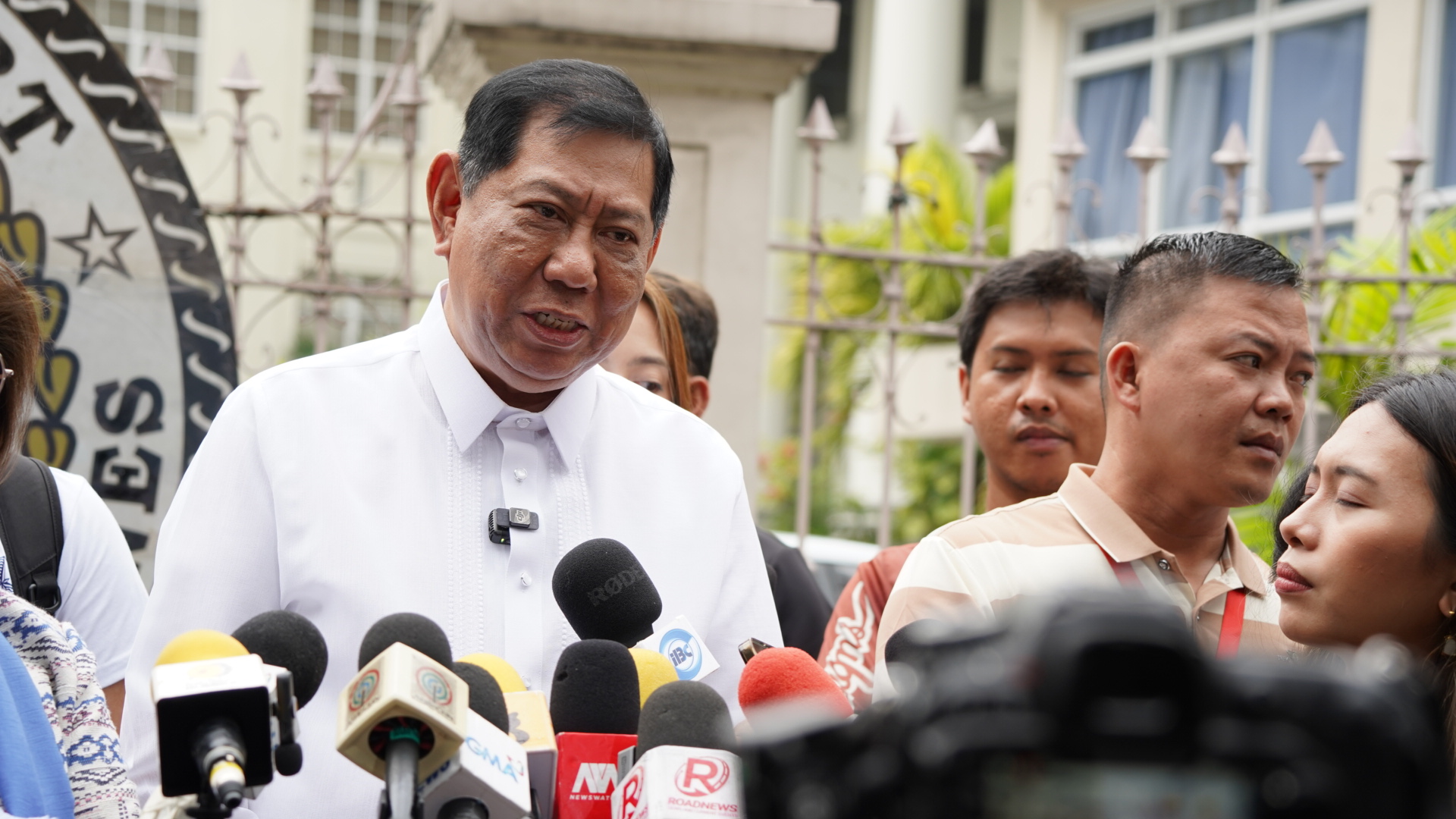
House Senior Deputy Minority Leader and Caloocan City 2nd District Rep. Edgar Erice warned that the constitutional process of impeachment is being undermined by the alleged use of technicalities to block accountability, describing the situation as “constitutional sabotage.”
Erice said concerns have arisen over what he described as the filing of a weak impeachment complaint that was allegedly used to pre-empt stronger and more carefully prepared complaints, effectively triggering the Constitution’s one-year bar on impeachment proceedings against the same official.
“This is not about the merits of impeachment,” Erice said. “This is about the deliberate manipulation of process to prevent the truth from coming out.”
The lawmaker also criticized the Office of the Secretary General of the House of Representatives, which he said refused to receive two other impeachment complaints on the grounds that the Secretary General was abroad and that no authorized personnel were willing to accept the filings.
He stressed that under the Constitution and House rules, the receipt and docketing of impeachment complaints are ministerial duties that cannot be suspended due to the absence of a particular official, noting that refusal to receive filings affects timing, docketing, and inclusion in the Order of Business.
Because the complaints were allegedly not received, Erice said they were not time-stamped, docketed, or transmitted to the plenary, effectively preventing their consideration by the House.
Erice warned that a deliberate refusal to receive impeachment complaints may constitute grave abuse of discretion, which is subject to judicial review under the Constitution’s expanded judicial power vested in the Supreme Court of the Philippines.
He added that such actions could also give rise to administrative liability for neglect of duty or conduct prejudicial to the service, while possible criminal liability would depend on proof of willful and coordinated intent to obstruct a constitutional process.
Erice stressed that his remarks were not directed at any individual, including President Ferdinand Marcos Jr., but at the integrity of the impeachment mechanism itself, warning that allowing such practices to persist would erode constitutional accountability over time.