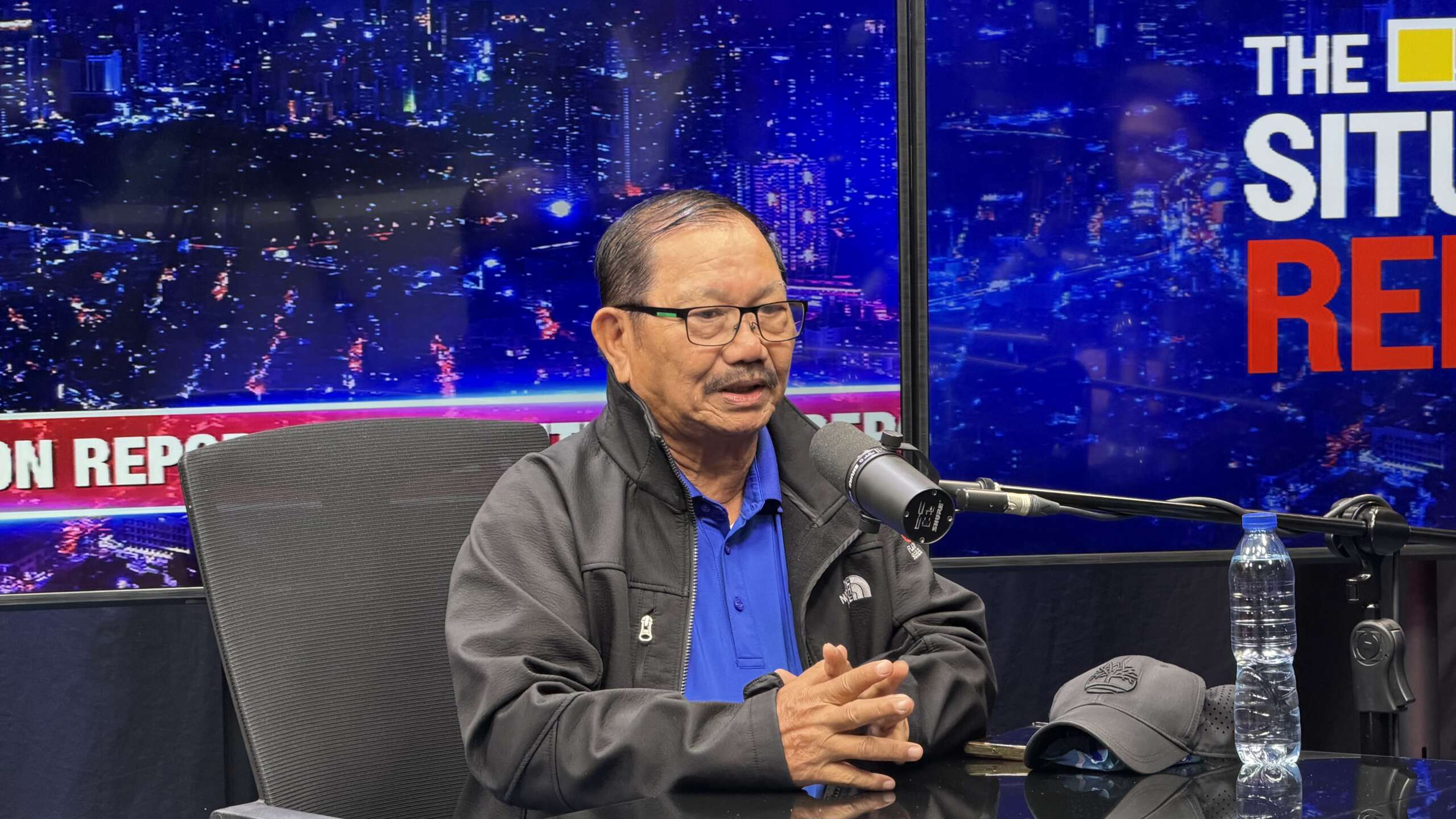
The Marcos administration’s economic team is systematically undercounting agriculture’s contribution to the Philippine economy by ignoring food processing and manufacturing, former Agriculture Secretary Emmanuel “Manny” Piñol said Wednesday.
Piñol claimed that this error that makes the Philippine agriculture sector sector appear to contribute only 10% to GDP when the true figure is closer to 30%.
The former Agriculture chief made the statement in an interview on DZRH News program The Situation Report on September 9, saying the miscalculation has real consequences for how much attention and resources agriculture receives from policymakers.
Piñol said the error is not new, as he raised it repeatedly with economic officials during his time in the Duterte cabinet. However, he said it persists because policymakers only count raw agricultural production and ignore the value added by food processing.
“You are being unfair to agriculture kasi kino-compute niyo yung contribution ng agriculture based on raw materials production,” Piñol said, addressing his former cabinet colleagues.
Piñol gave concrete examples: there would be no canned sardines without fish, no chorizo without pork. But the processing industries that create these products are classified under the Department of Trade and Industry’s (DTI) manufacturing sector, not agriculture, he said.
“Kung walang sardinas, walang de lata, ‘di ba? And the latter is excluded of course, because kung walang baboy, walang chorizo,” Piñol said.
Piñol said if food processing and manufacturing, computed at 21% of GDP, are added to agriculture’s raw materials contribution of 10%, the sector’s true contribution to the economy reaches approximately 30%.
The former Agriculture chief said the undercounting also explains why one economic official was able to say in a congressional hearing that agriculture is dying in the Philippines, a statement he said reflects the mindset of those at the top of economic policymaking.
“If you have a member of the economic team saying in a congressional hearing that agriculture is dying in the Philippines, then that is an indication that they do not understand agriculture,” he said.