Companies that produce plastic products are now legally responsible for managing their own plastic waste under the Extended Producer Responsibility law, ending a decades-long arrangement where local governments bore the sole burden of solid waste management, DENR Undersecretary Jonas Leones said Saturday.
Leones made the statement in an interview on DZRH News program Special on Saturday on August 15, as part of the DZRH SONA 2026 Series featuring the Department of Environment and Natural Resources.
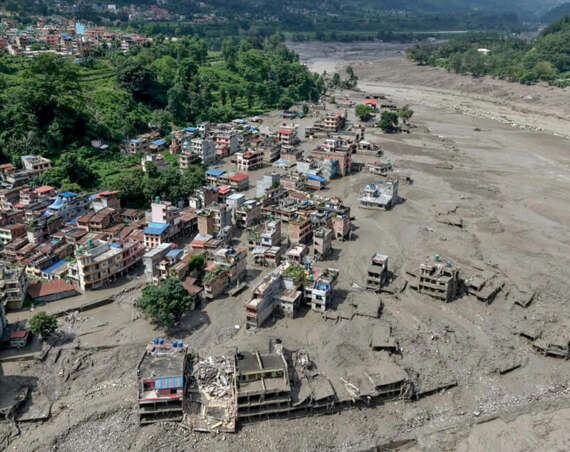
He said the shift is significant because local governments — particularly smaller ones — have long lacked the resources to properly manage the volume of plastic waste generated by large commercial producers, leading to the garbage crises visible in Metro Manila and during floods in Cebu, Davao, and Baguio.
“Dati ang solid waste management natin, puro local government lang ‘yan, sila ang may mandato diyan. Pero ngayon dito, pinapaigting natin ‘yung private sector participation. Sila na ngayon ang nag-a-address ng mga plastic waste,” Leones said.
Under the law, companies are required to reduce their plastic footprint annually, with a target of diverting 80% of the plastic they produce from waste by 2028 through recycling, repurposing, or upcycling.
“By 2028 dapat 80% ng kanilang nagagawang plastic ay naidi-divert na natin into something else. Dapat nire-recycle na natin ‘yan, dapat nire-repurpose at na-u-upcycle,” Leones said.
He said the EPR law also reflects the Marcos administration’s broader philosophy of mobilizing private sector resources for environmental governance, noting that government budgets are insufficient to address environmental problems at scale and that corporations that profit from plastic packaging must share responsibility for its lifecycle.
Leones said consumer awareness is part of the solution, encouraging Filipinos who shop at malls and supermarkets to ask whether the stores they patronize are complying with the EPR law and reducing their plastic footprint as required.