The Philippines ranked last in the world in the 2019 Programme for International Student Assessment and third from last in 2022, prompting President Ferdinand Marcos Jr. to direct the Department of Education (DepEd) to restore the country’s standing as one of Asia’s top education performers, Education Secretary Sonny Angara said Saturday.
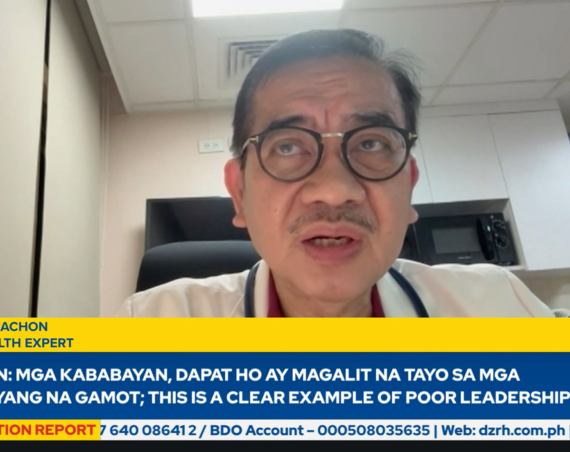
Angara made the statement in an interview on DZRH News program Special on Saturday on August 1, as part of the DZRH SONA 2026 Series featuring the DepEd, acknowledging the rankings as a sobering reflection of decades of neglect of educational foundations.
“Aminado naman kami at si Pangulo, na medyo sumadsad na tayo in recent years. Kung makita mo ‘yung PISA 2019, that’s the assessment test na international across the world, last tayo. 2022, third from last,” Angara said.
He said the President’s reaction to the rankings was direct and unambiguous.
“Ayaw talaga ng Presidente, napapailing talaga si Presidente pag nakikita niya ‘yung mga rankings na bakit tayo ganito. Kasi dati nung lumalaki naman siya, hindi naman daw tayo ganun. Kaya ‘yun ang instruction niya: palakasin po ‘yung basics natin, ‘yung pundasyon,” Angara said.
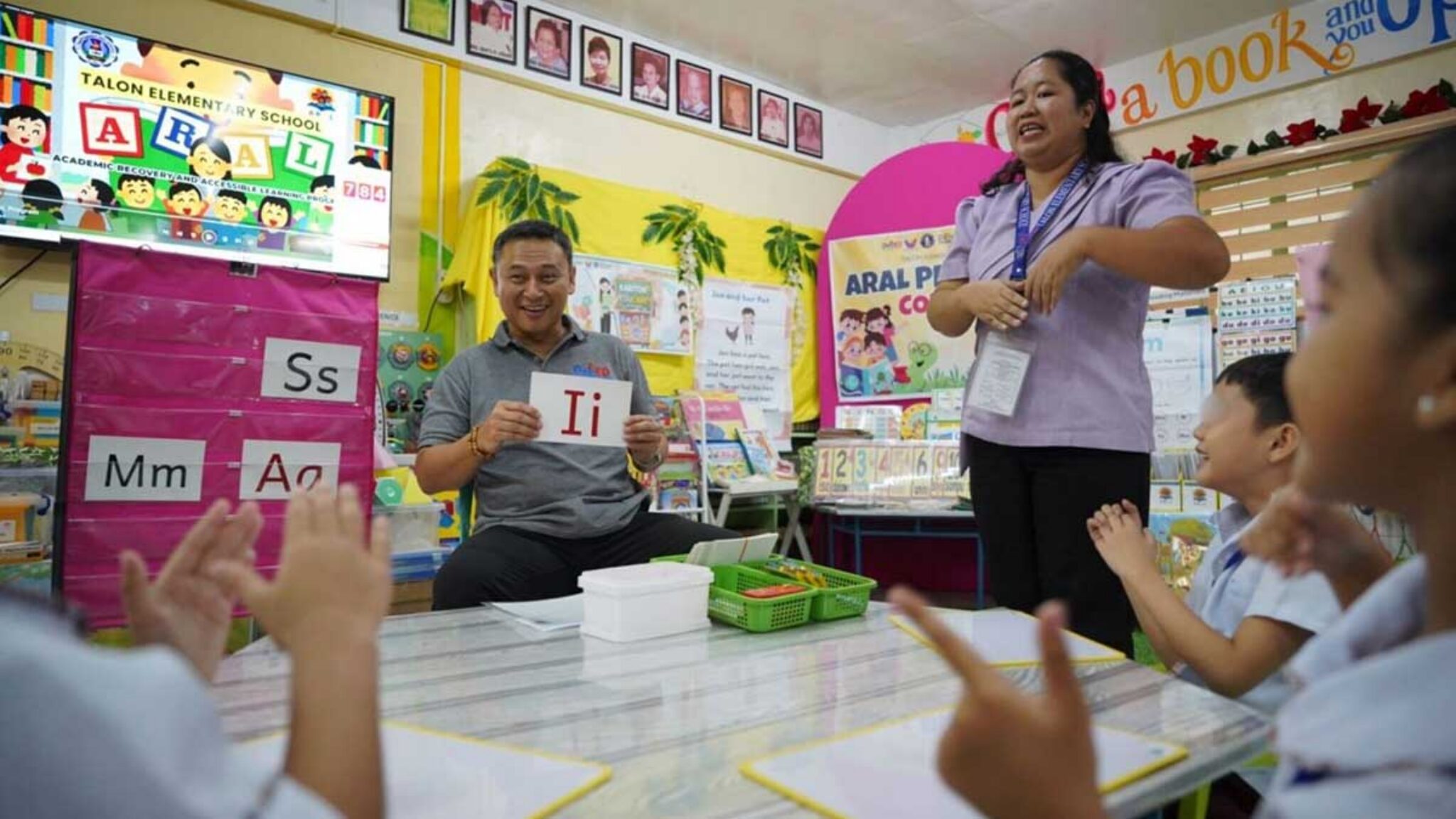
In response, DepEd deployed the ARAL program — a nationwide reading and remediation initiative targeting students who have not yet achieved grade-level literacy, with tutorials now expanding beyond reading to include math and science.
The DepEd ARAL Program, or Academic Recovery and Accessible Learning Program established under DepEd Order No. 018, s. 2025 and Republic Act No. 12028, is a national learning recovery initiative. It provides targeted, free tutorial sessions to help struggling public school students master foundational competencies in Reading, Mathematics, and Science.
Angara said the ARAL program is already showing results after just one year of implementation, with millions of students moving from the “struggling” category to “emerging” readers—though he acknowledged that full recovery will take years.
“Isang year of ARAL pa lang, meron nang milyong estudyante na nag-i-improve ang reading comprehension level nila. So from struggling, nagiging emerging na sila,” Angara said.
He said the shocking finding that some Grade 11 students still could not read—confirmed by Education Commission data—had made addressing reading deficiencies at the earliest grade levels a top priority, with Grade 1 and Grade 2 students now receiving immediate intervention.
Angara said all other DepEd reforms—classrooms, teacher promotions, feeding, textbooks—are part of the same coordinated response to the learning crisis, and that the President’s instruction is to address all problems simultaneously rather than one at a time.