The Department of Education (DepEd) has allocated ₱65 billion specifically for new classroom construction under its historic ₱1.012 trillion budget, the largest classroom infrastructure investment in the department’s history, Undersecretary Edson Byron Sy said Saturday.
Sy made the disclosure in an interview on DZRH News program Special on Saturday on August 1, as part of the DZRH SONA 2026 Series featuring the Department of Education.
“65 billion for new classrooms,” Sy said, identifying classroom infrastructure as the second-largest spending category within DepEd’s budget after personnel costs.
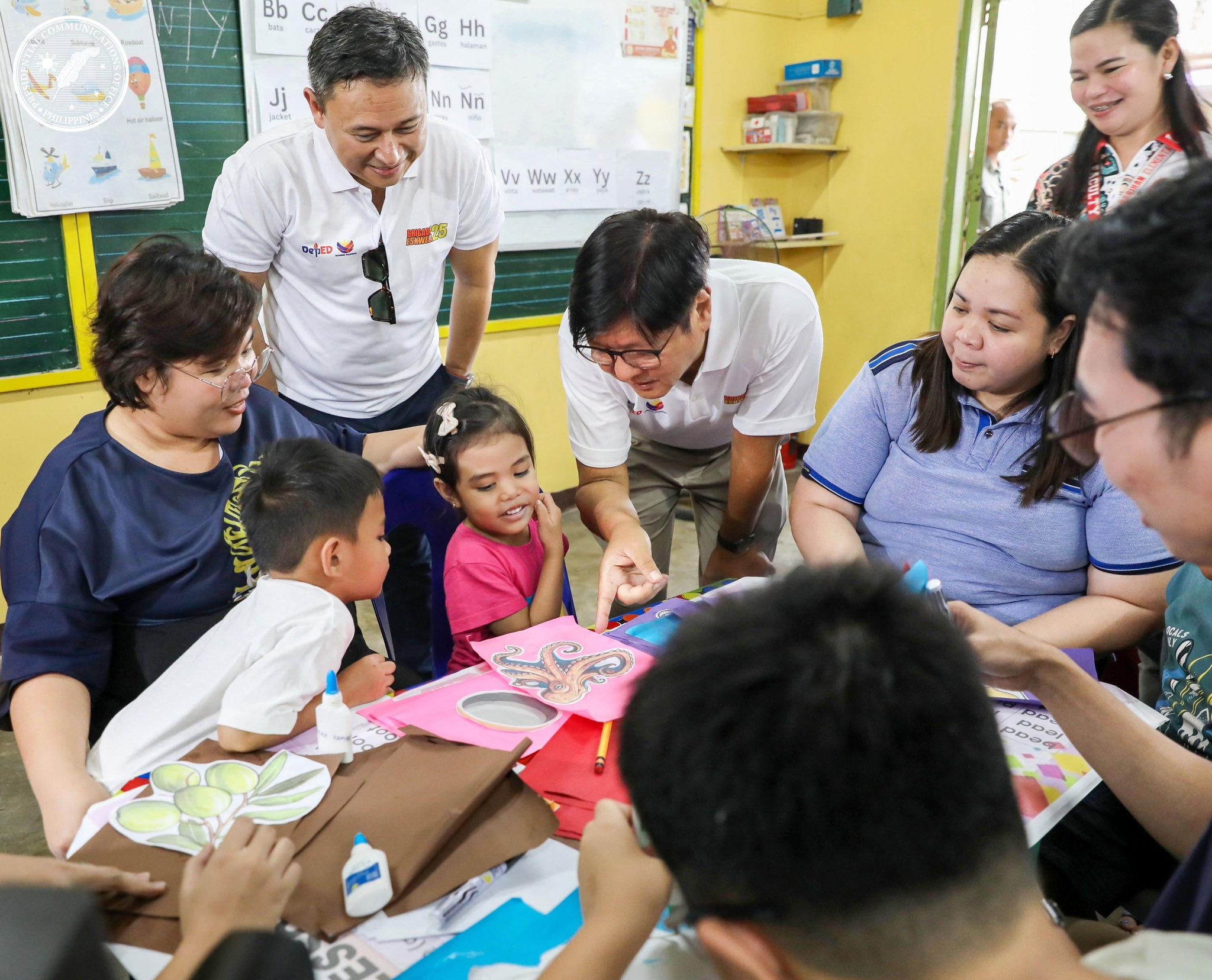
Education Secretary Sonny Angara said the classroom investment is central to the department’s goal of ensuring every Filipino child has a proper learning environment, noting that overcrowded classrooms have long been a barrier to quality education.
He said the shift in class size standards, from the old planning parameter of 55 to 60 students per class to the new maximum of 35 for Grade 1 and 30 for Kinder, requires more classrooms to be built to accommodate the same number of students in smaller groups.
Angara said the ₱65 billion allocation is part of a broader strategy that links infrastructure directly to learning outcomes, noting that quality teaching time cannot happen in overcrowded and poorly equipped classrooms.
Teacher Mariane Luchavez, a 27-year public school teacher from Valenzuela, said she had seen firsthand how large class sizes affected a teacher’s ability to manage students and deliver quality lessons.
“Kasi pre-school… nasa Grade 1 po,” Luchavez said when asked about the largest class she had handled, with Chavez noting that some teachers in Quezon City and Caloocan handled classes of up to 60 students.
Angara said the ₱65 billion for classrooms is part of the ₱1.012 trillion DepEd budget, which itself is the first time in Philippine history that the education department’s annual allocation has crossed the ₱1 trillion mark.
He said the combination of new classrooms, new teachers, and improved career progression for existing teachers represents the most comprehensive investment in Philippine public education in the country’s history.