The Philippines is among the most vulnerable economies in Asia to the ongoing refined fuel crisis, according to a research briefing released by Oxford Economics on April 15, as disruptions stemming from the closure of the Strait of Hormuz ripple across regional supply chains.
The briefing, authored by Senior Economist Sheana Yue and Assistant Economist Jia Yu Lee, warned that the energy crisis in Asia has expanded beyond crude oil unavailability.
“Refined fuels have emerged as the most acute near-term bottleneck for regional supply chains,” the report said, citing shortages in jet fuel, marine fuel, and petrochemical feedstocks.
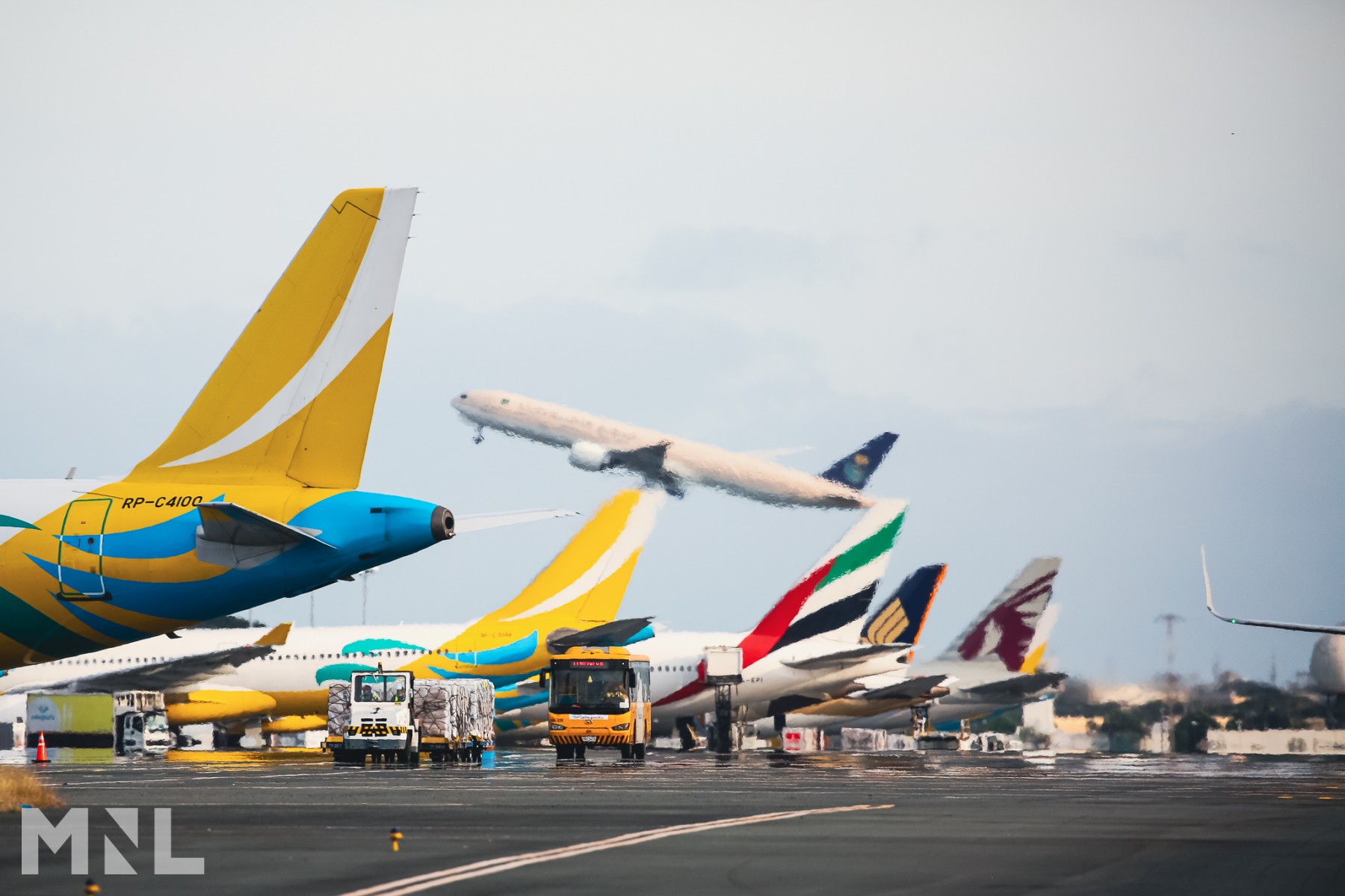
“The Philippines and Thailand appear most exposed to a jet fuel-triggered aviation downturn given the importance of international arrivals to GDP and employment,” Oxford Economics said. The report noted that the Philippines has already flagged potential flight groundings as fuel stocks dwindle.
Airlines in Vietnam, Malaysia, and Indonesia have also cut flights amid tightening fuel supplies. Oxford Economics said carriers are prioritizing long-haul routes for their higher yields, leaving short-haul and domestic services — where passengers have more alternatives — to absorb the bulk of capacity cuts.
The report warned that if fuel constraints persist, even long-haul routes could eventually come under pressure, particularly leisure-heavy services linking Southeast Asia to Europe and the United States.
“Given the labour-intensive nature of tourism supply chains, these constraints could rapidly spill over into broader services activity, such as accommodation, retail, and domestic transport,” it said.
Beyond aviation, the Philippines faces additional exposure through its manufacturing sector. Oxford Economics identified the country, alongside Vietnam, as an emerging assembly hub with limited domestic upstream refining or petrochemical cracking capacity, making it heavily reliant on imported intermediates.
Should regional feedstock supply tighten further, the report said the Philippines could face “margin compression and export competitiveness pressures.”
Petrochemical inputs such as naphtha are key upstream materials for electronics, automotive components, and consumer goods — sectors where even minor disruptions can generate outsized downstream bottlenecks.
On external balances, the report placed the Philippines among the economies with the most exposed positions alongside Vietnam and Indonesia.
A sustained increase in fuel import bills weakens terms of trade and places downward pressure on the peso, which in turn raises domestic prices for fuel, transport, and imported consumer goods.
Oxford Economics said simultaneous constraints on marine and aviation fuel are already tightening transport capacity across Asia’s sea and air freight networks, amplifying inflationary pressures.
The consultancy pointed to the 2021–2022 supply chain disruptions as evidence that logistics frictions can keep inflation elevated long after the initial energy shock begins to fade.
“Fiscal policies are likely to provide a partial buffer against escalating costs, but cannot solve dislocations driven by the availability of fuel,” the report concluded, adding that the policy mix is expected to tilt toward fiscal support alongside measured and temporary monetary tightening.