The Philippines could dramatically reduce its electricity costs by shifting to nuclear power, with fuel imports for a 1,000-megawatt nuclear plant costing only $20 million a year compared to $400 million for an equivalent coal or gas facility, Pangasinan Rep. Mark Cojuangco said Saturday.
“Twenty times cheaper,” Cojuangco, chairman of the House Special Committee on Nuclear Energy, said in an interview on DZRH’s Special on Saturday. “‘Yan ang hindi maintindihan ng tao — ‘yung energy density ng nuclear. ‘Yun po ang malaking diperensya.”
The country currently generates around 22,000 megawatts of electricity, roughly 75 percent of which comes from fossil fuels — 60 to 65 percent from imported coal and about 10 percent from natural gas. Cojuangco said that dependency makes the Philippines especially vulnerable to global oil price shocks, including the current volatility stemming from the Iran-US conflict.
Nuclear power, he argued, is the most viable alternative. Demand for electricity is projected to double by 2040 and could triple beyond that, according to figures from the Department of Economy, Planning and Development (DepDEV), making the incremental deployment of 16,000 to 32,000 megawatts of nuclear capacity both necessary and achievable.
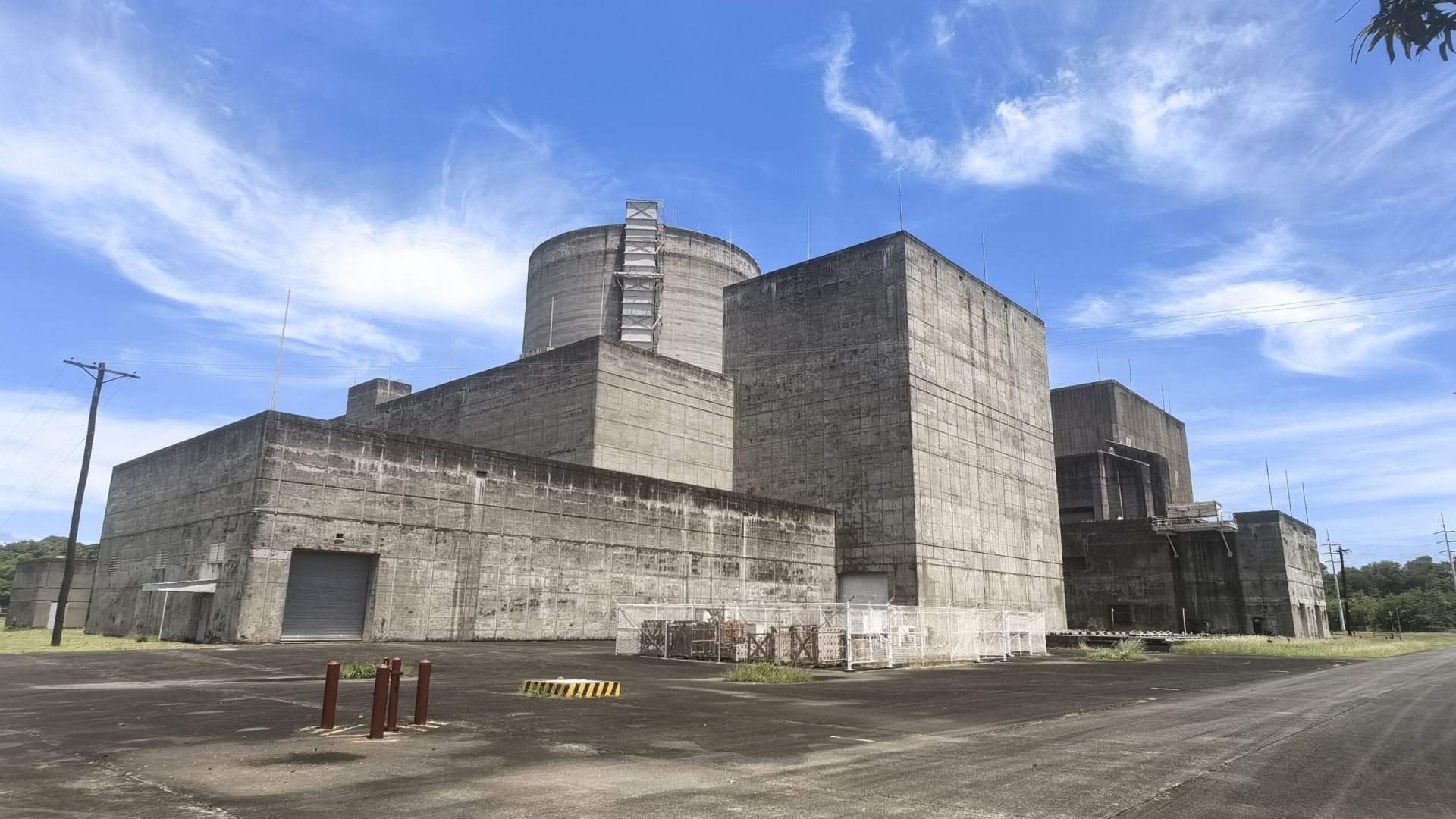
The Bataan Nuclear Power Plant (BNPP), mothballed since 1986 without ever generating commercial electricity, could be the starting point. Cojuangco said the facility remains in excellent condition after decades of maintenance by NAPOCOR, and needs only four years of commissioning work before it can go online. “Kulang na lang po yan ng commissioning para umandar,” he said.
The plant’s viability is supported by the record of its twin facilities abroad. Kori-2 in South Korea, Krško in Slovenia, and Angra 1 in Brazil — all built to the same design by the same manufacturer — remain operational after four decades and have each received 20-year license extensions, with a second extension possible for a total operational life of 80 years.
Cojuangco said he had personally convinced Korea Hydro & Nuclear Power to conduct a feasibility study on restarting Bataan, which was formalized during a state visit by the Korean president. That agreement, however, has since been stalled. “Mahigit isang taon na naman ang lumipas, hindi pa rin na-implement dahil ang daming technicalities na wala namang koneksyon doon sa project,” he said.
For the Philippines to meet its energy needs through nuclear power, Cojuangco said the government must pass the pending Nuclear Integration Bill, which sets out the country’s nuclear energy targets and clarifies market terms for investors.
Without a clear policy mandate, he warned, construction timelines — which he placed at seven to eight years from feasibility to operation — will continue to slip. “Basta klaro ang patakaran ng gobyerno,” he said. “Dire-diretso po yan.”