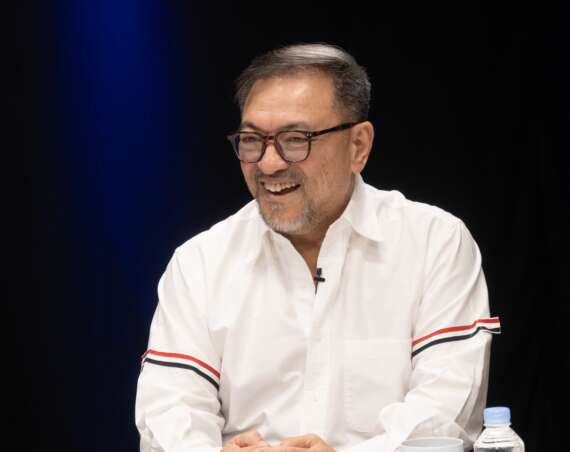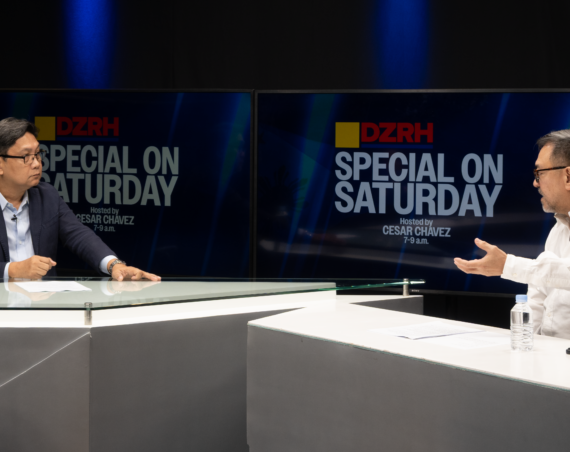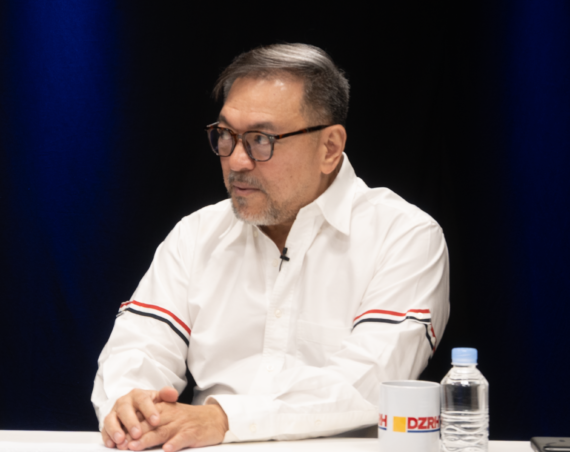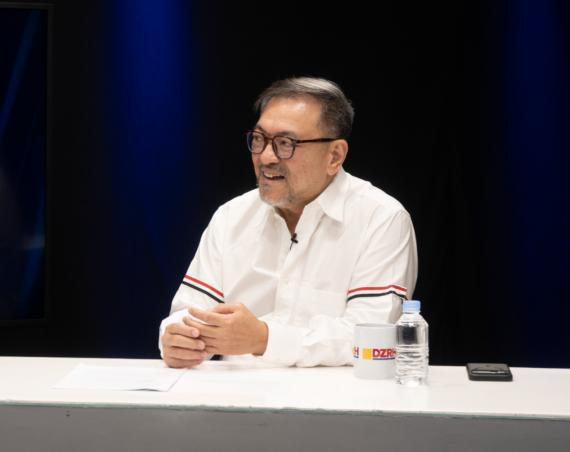
The Philippine middle class risks slipping into financial distress as healthcare costs rise alongside the ongoing Iran conflict, with public health expert Dr. Tony Leachon warning that even previously stable households are now vulnerable to medical shocks.
Speaking on DZRH’s Special on Saturday, Leachon said the combination of rising oil prices, a weakening peso, and gaps in the country’s health financing system is creating a “perfect storm” that could push more Filipinos into poverty.
“‘Yung middle class, siya na ngayon ang new poor, kasi whatever savings you have during this time na may pandemic, gagastusan mo ‘yung hospitalization mo,” Leachon said.
He warned that healthcare costs are among those expected to rise as global oil disruptions ripple through the economy, driving up prices of commodities and services, including medicines, laboratory tests, and hospital care.
“Tataas ang gamot, kasi tatama ‘yan. Tataas ang prices of commodities natin, at isa sa masasaktan ang presyo ng gamot, healthcare services, at laboratory. Some of our medications inaangkat natin sa ibang bansa, like ‘yung mga cancer drugs, sophisticated drugs na magbabayad tayo in dollars eh,” he said.
With the peso weakening to around ₱60 to the US dollar, Leachon said import-dependent healthcare inputs will become more expensive, adding pressure on both hospitals and patients already grappling with rising living costs.
“Since tumaas ang exchange rate ng ating piso—60 pesos to $1—mangangahulugan ‘pag nag-import tayo ng mga healthcare facilities or healthcare medications, mahal ang babayaran natin,” he added.
Leachon noted that even middle-income earners are increasingly at risk of “catastrophic” health expenses, citing cases where intensive care can cost as much as ₱100,000 per day, quickly exhausting health maintenance organization (HMO) coverage and personal savings.
“Isang catastrophic illness lang—sumesweldo ka, ang iyong HMO ang limit ay 200,000, eh kunyari ma-ICU ka. Stroke ang ICU, 100,000 per day eh. Dalawang linggo ka, ubos ‘yun. Ang daming pasyente ngayon na ganyan ang nangyayari. ‘Yung middle class, siya na ngayon ang new poor, kasi whatever savings you have during this time na may pandemic, gagastusan mo ‘yung hospitalization mo,” Leachon said.
Leachon said the situation is worsened by gaps in public health financing, warning that the country lacks a dedicated emergency buffer similar to the funds deployed during the COVID-19 pandemic to absorb large-scale health shocks.
Without stronger financial protection mechanisms, he said more Filipino families may be forced to choose between seeking medical care and falling deeper into debt as the global crisis continues.